

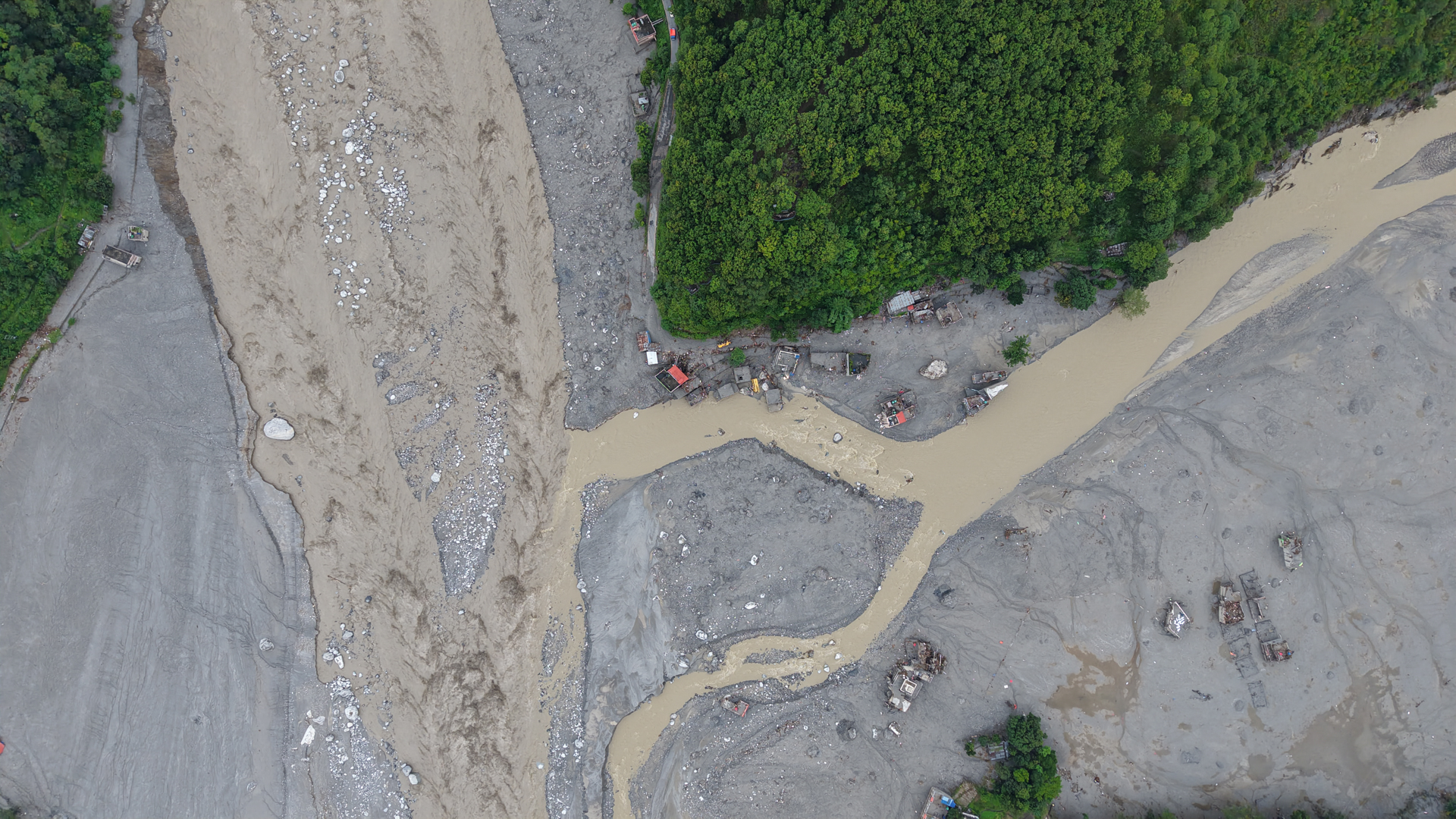
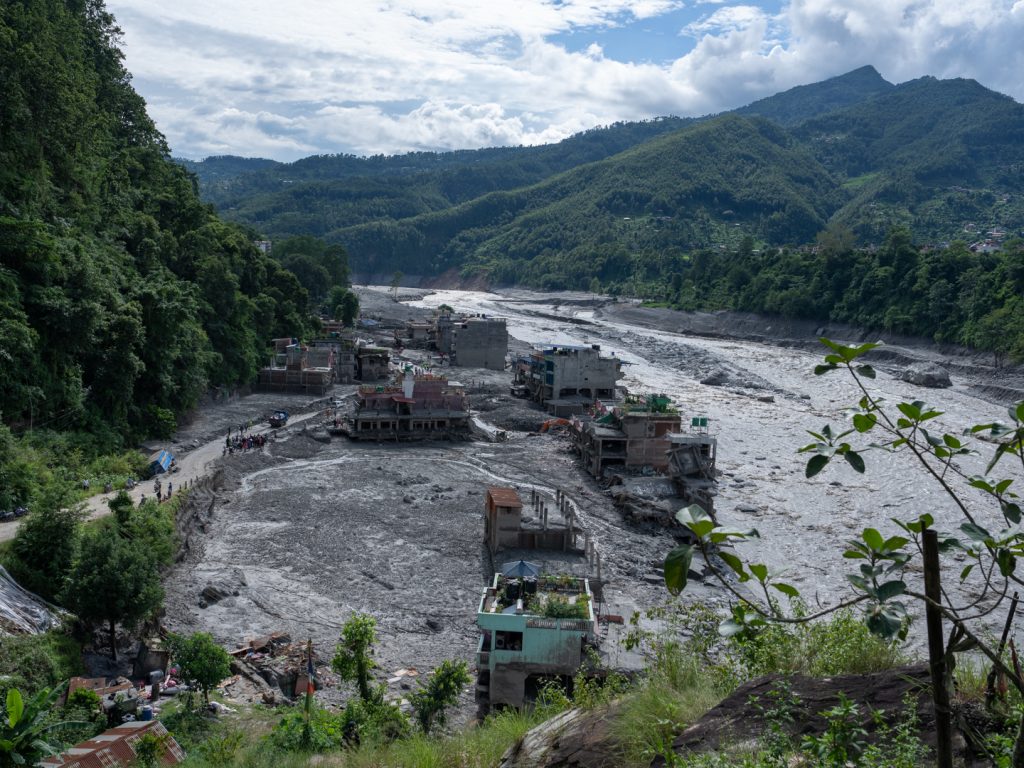
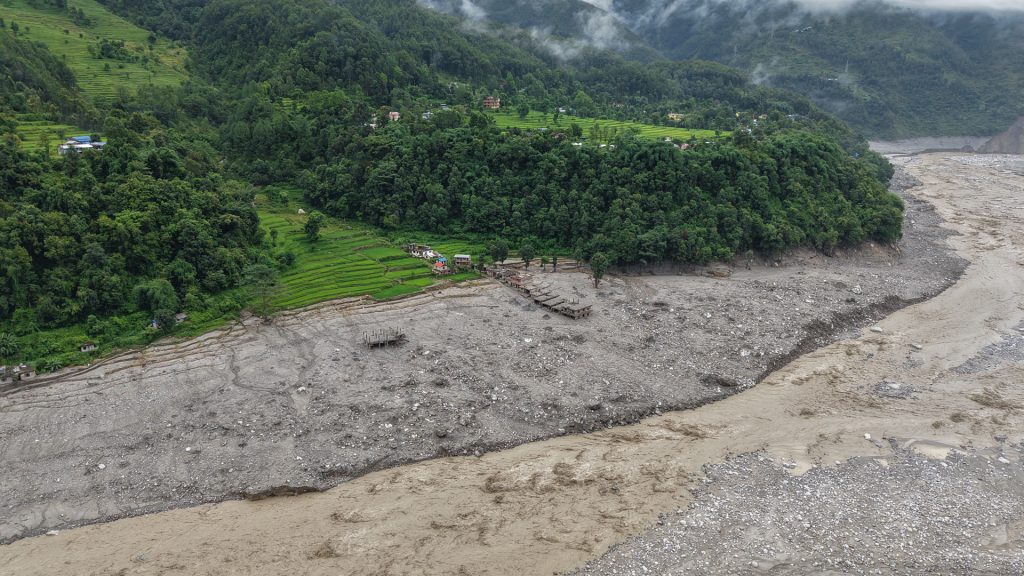
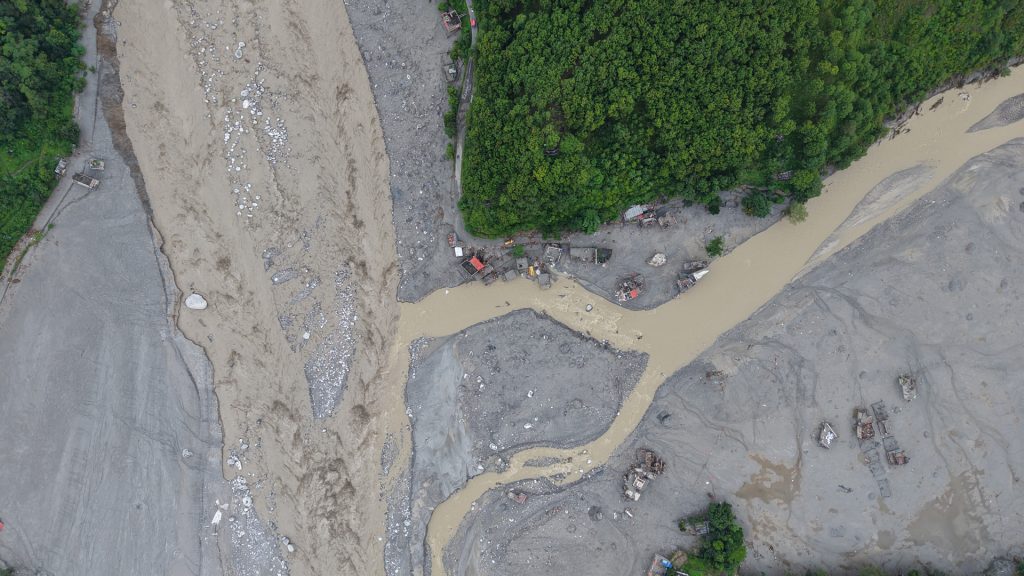
On 26 August 2026, a major flash flood swept through parts of Rasuwa and downstream communities along the Bhote Koshi and Trishuli river systems. The disaster, triggered by a high-altitude rock-and-ice avalanche and subsequent flood, caused widespread destruction across the region, taking lives of thousands, sweeping away homes, roads, bridges and other infrastructure.
Betrawati, in Nuwakot district, was among the communities affected by the flood. As the scale of the damage became clearer, Himalayan Quests Foundation (HQF), in collaboration with SWECOS Nepal, Rasuwa, began coordinating with people from the local community to understand the situation and identify what was most urgently needed.
Understanding the situation on the ground
We coordinated with people in Betrawati to understand the situation on the ground and hear from affected families about what they needed most.
The conversations helped us identify some of the immediate needs, including food and basic supplies, clothing and footwear, as well as access to lighting and mobile phone charging.
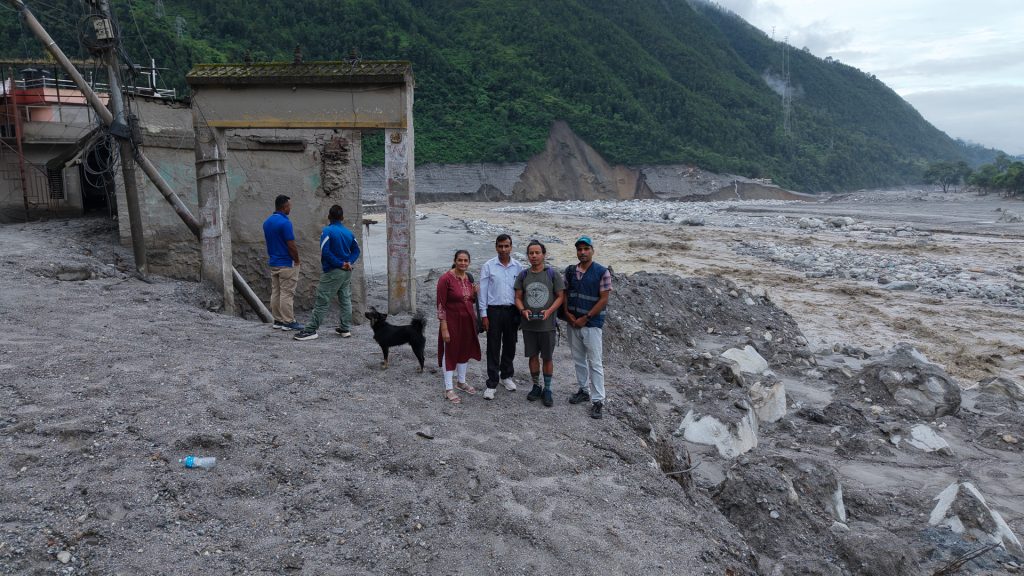
Reaching Betrawati itself was challenging. On 31st August, 2026, our team travelled for approximately eight hours through an alternative route with difficult monsoon road conditions. A section of the highway has been swept away by the flood, making the usual route inaccessible.
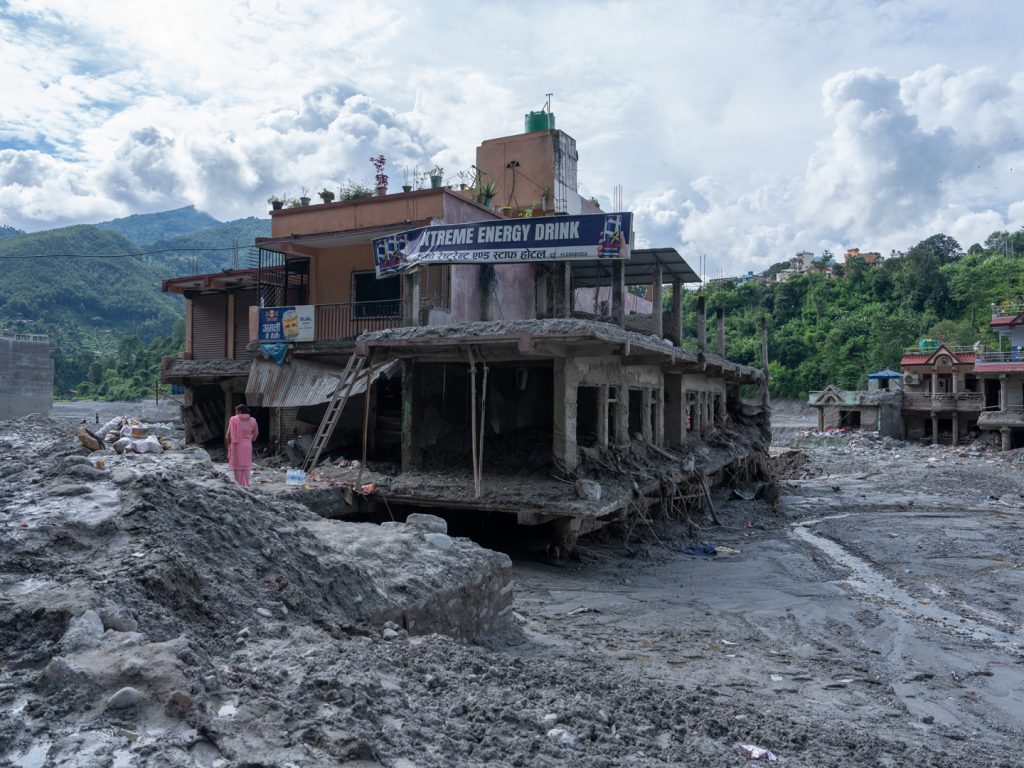
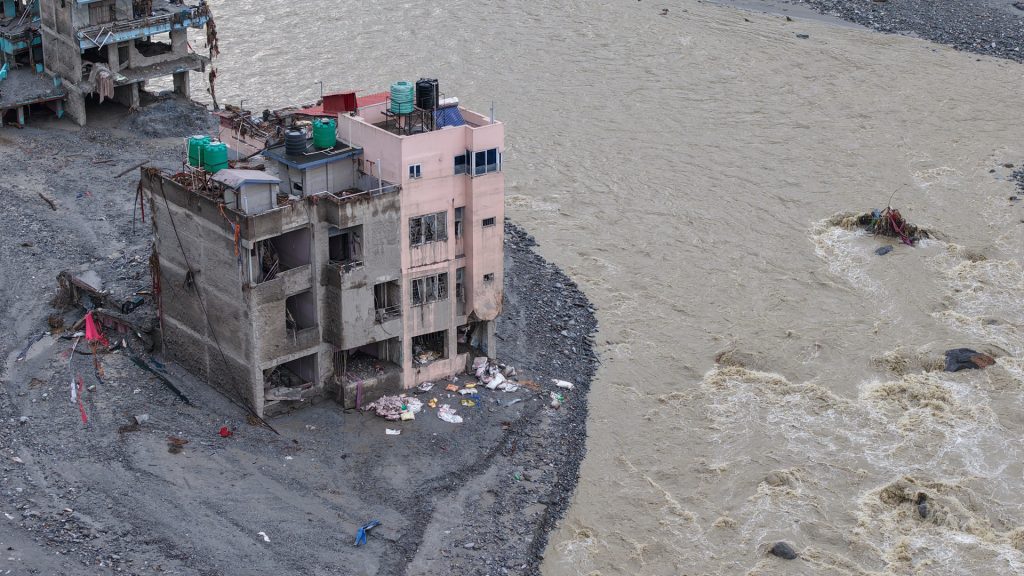
The journey also provided an opportunity to see the effects of the disaster and understand the practical difficulties communities are facing.
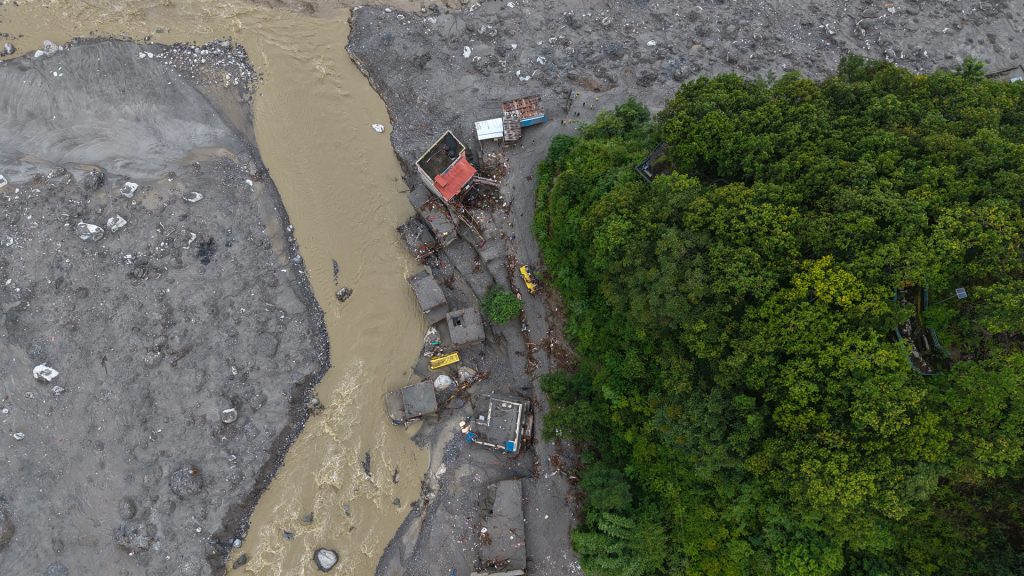
Widespread damage and disruption
The flood caused significant loss of life and property across the affected areas. Homes and businesses have been swept away or damaged, while roads and bridges have also been destroyed, cutting off communities and making access for rescue and relief operations difficult.
Power infrastructure is also severely affected. Multiple hydropower projects along the affected river corridors are damaged, disrupting electricity generation and supply. The destruction of hydropower infrastructure also has a direct effect on communication for communities that are already isolated.
For people without electricity, charging a mobile phone is a significant problem. A phone is not simply a means of communication; it can be the only way to contact emergency services, share a location with rescue teams, or let family members know that they are alive and where they are located.
According to the latest figures reported by Nepali authorities as of 2 September 2026, 1,127 bodies have been recovered and 4,858 people remain missing following the disaster. Authorities have reported that more than 11,800 people had been brought to safety, while search and recovery operations continue across the affected areas.
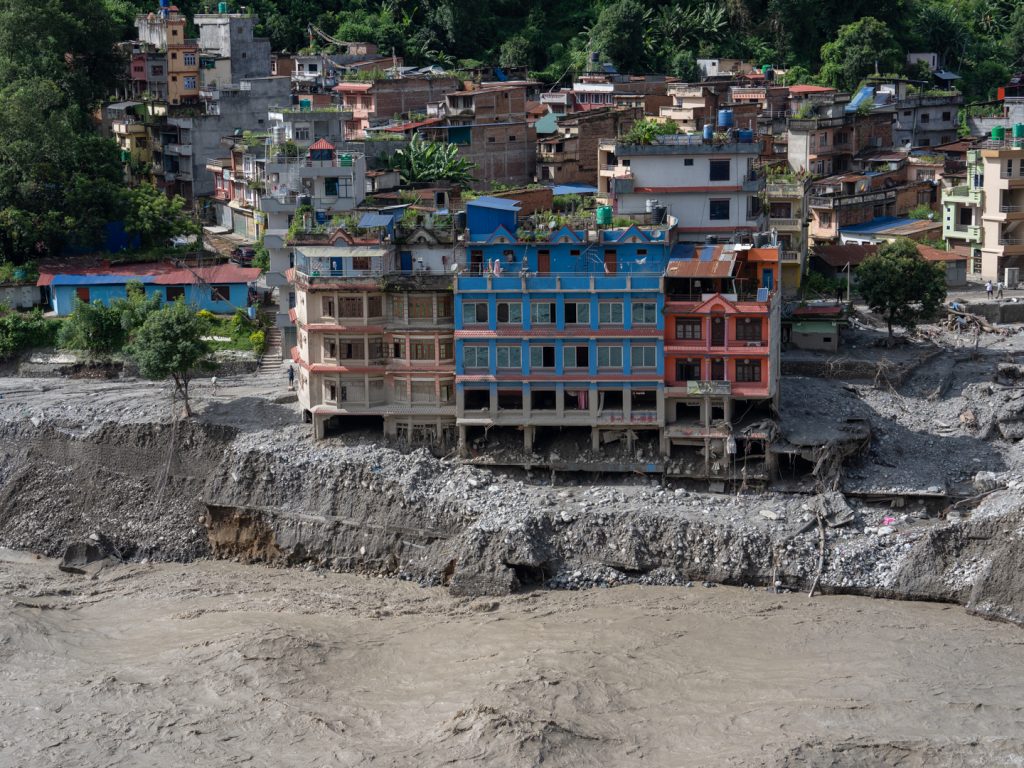
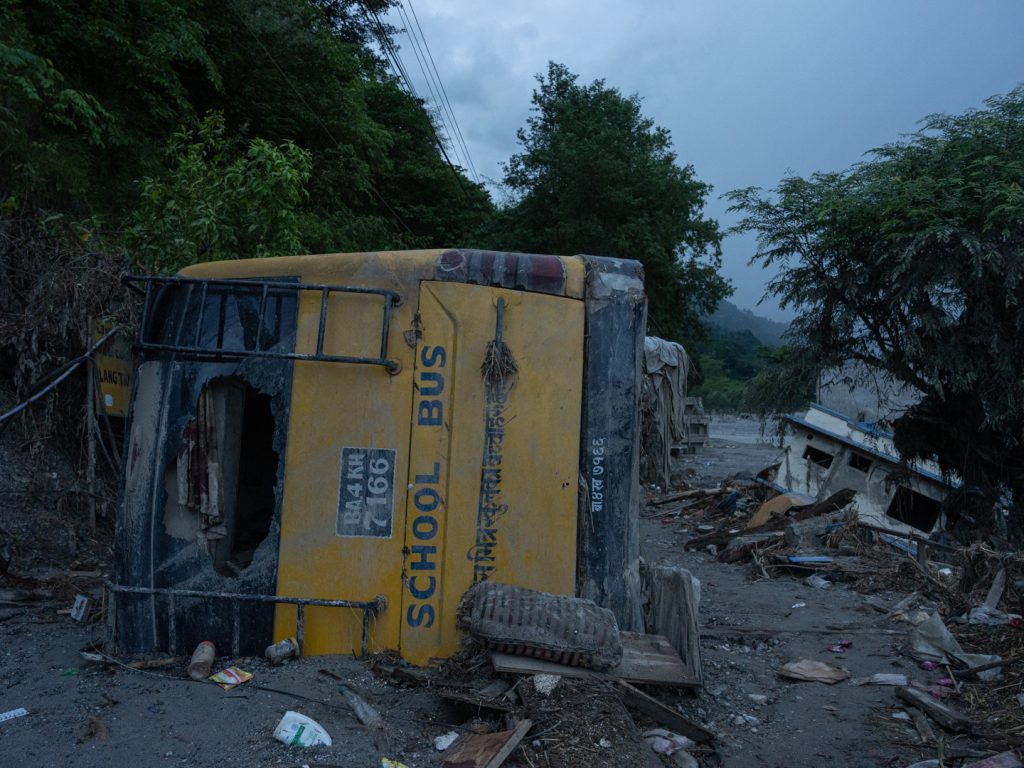
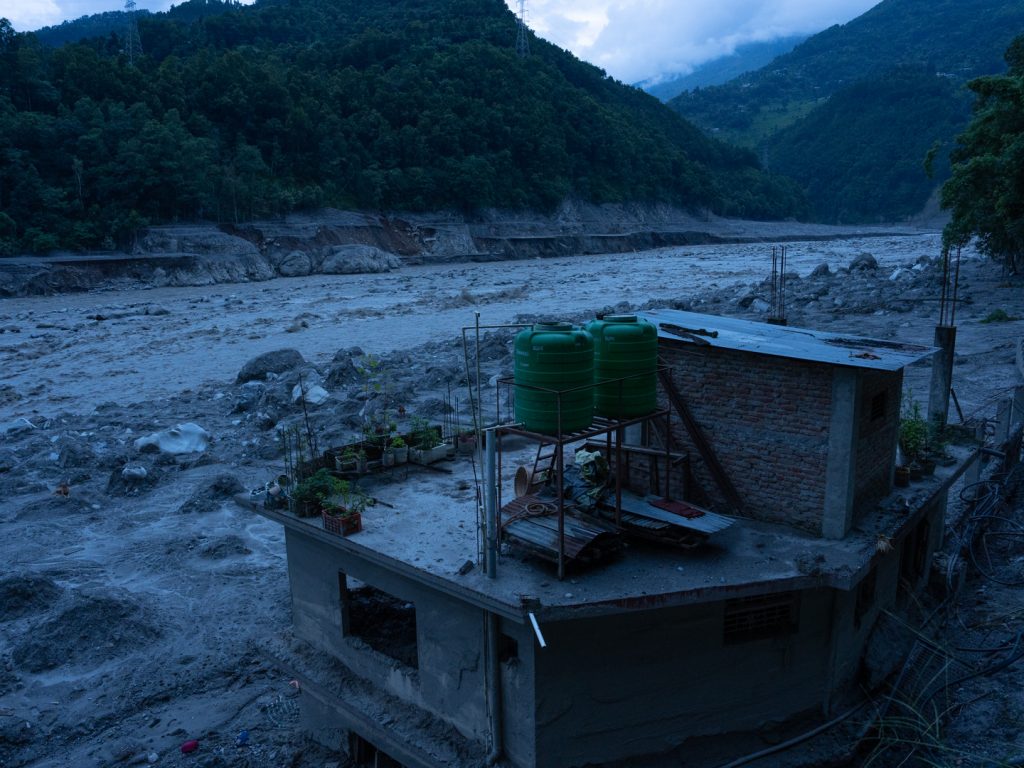
Relief support provided in Betrawati
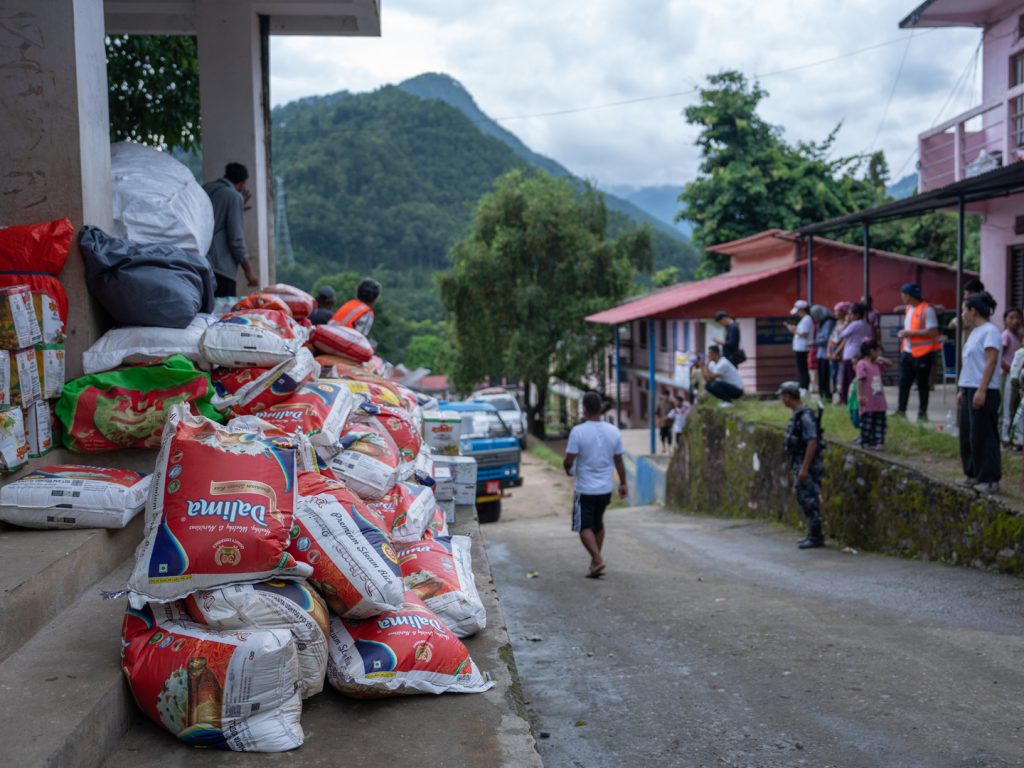
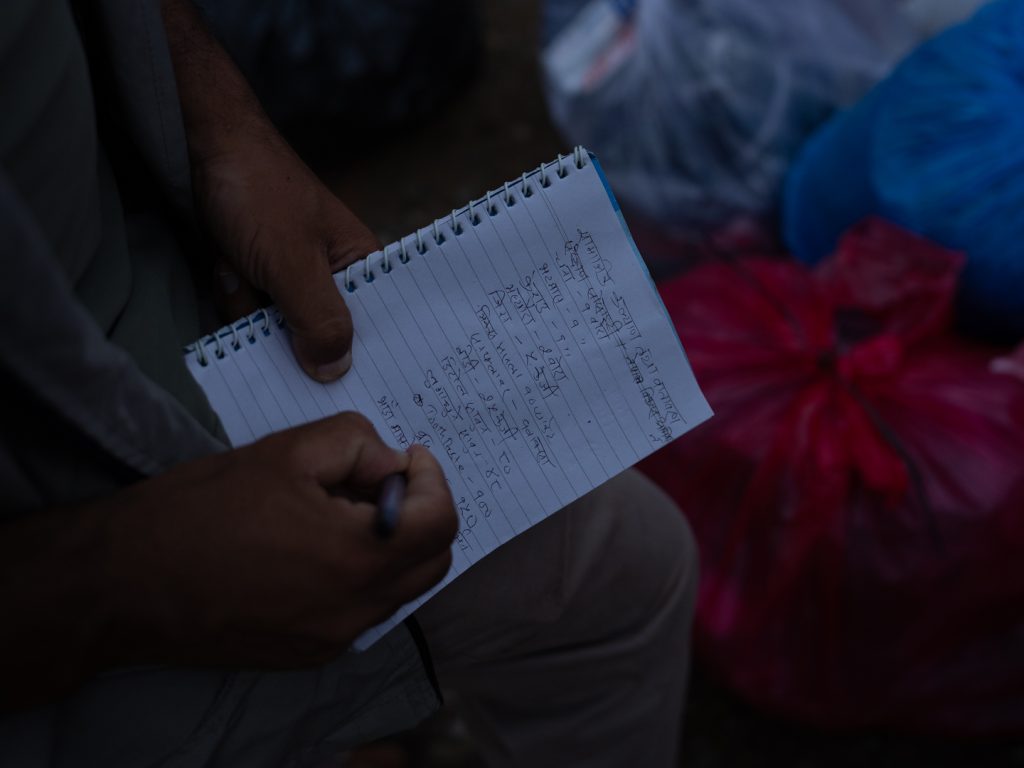
Based on the needs identified through coordination with the local community, HQF and SWECOS Nepal, provided a range of food, essential supplies, clothing and footwear.
Himalayan Quests Foundation provided:
1. 100 pairs of shoes, slippers and sandals
2. 50 sets of tracksuits, shorts and T-shirts
3. 20 sets of women’s trousers, T-shirts and kurtas
4. 50 solar light sets
SWECOS Nepal provided:
1.Relief packet 150 (roasted chickpeas, beaten rice, biscuits, shampoo, soap)
2. Soya chunks – 10 sacks
3. Lentils – 10 sacks
4. Chickpeas – 10 sacks
Transportation for the relief materials to Betrawati was also arranged and covered by the Foundation.
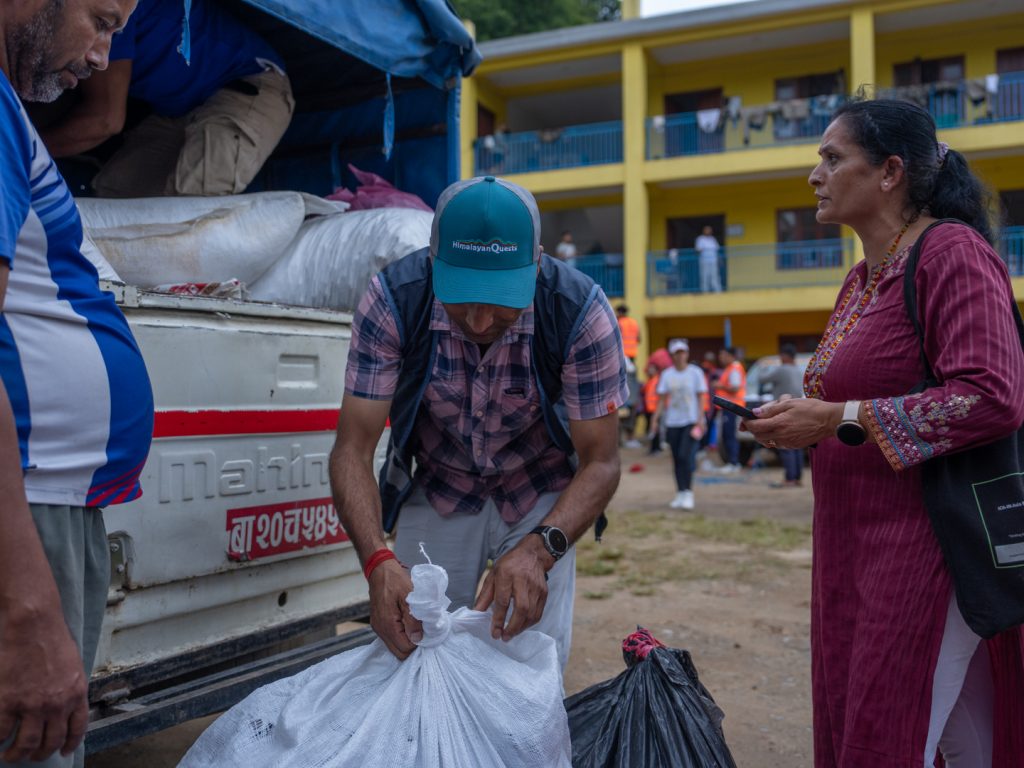
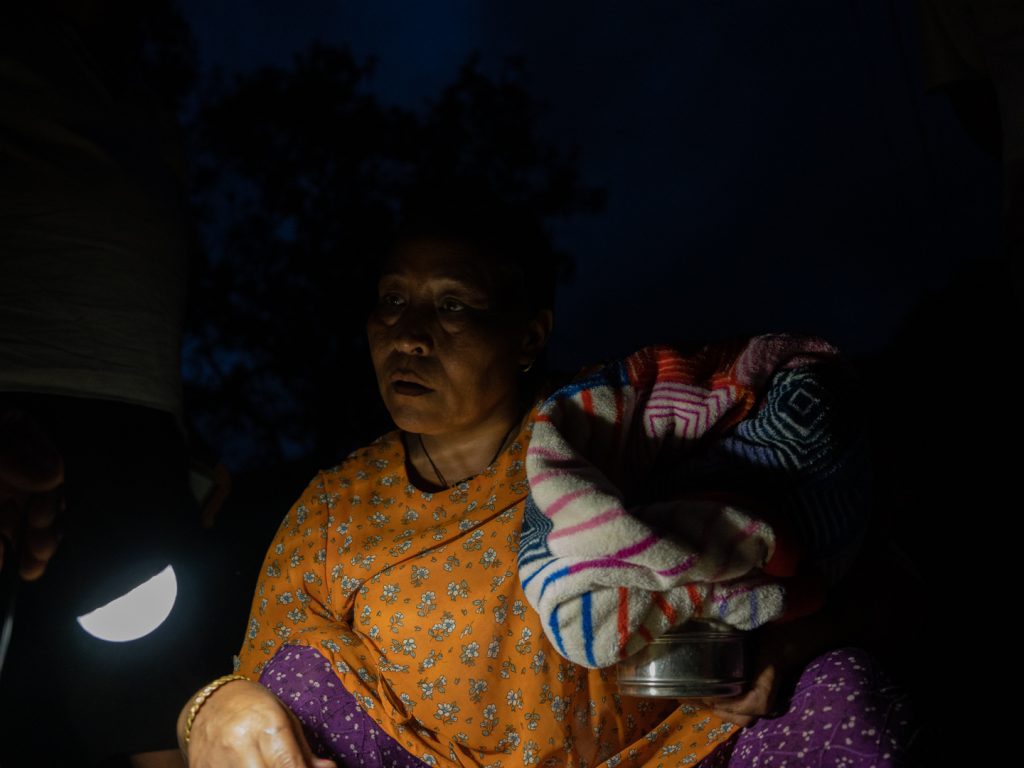
50 Solar Light Sets
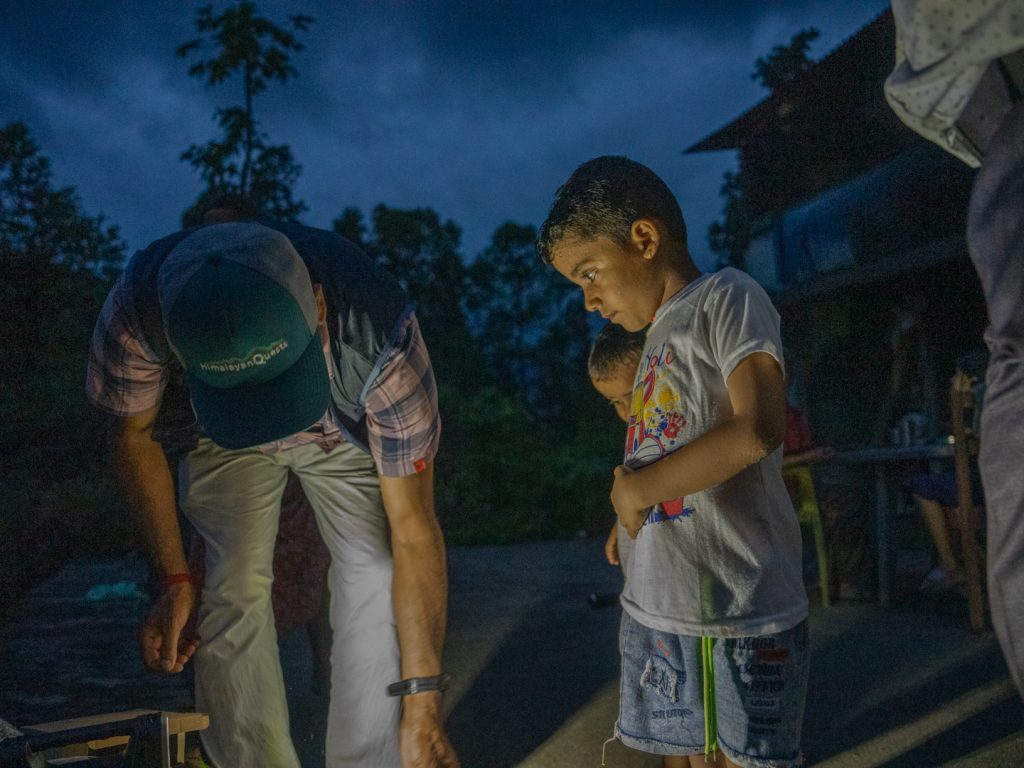
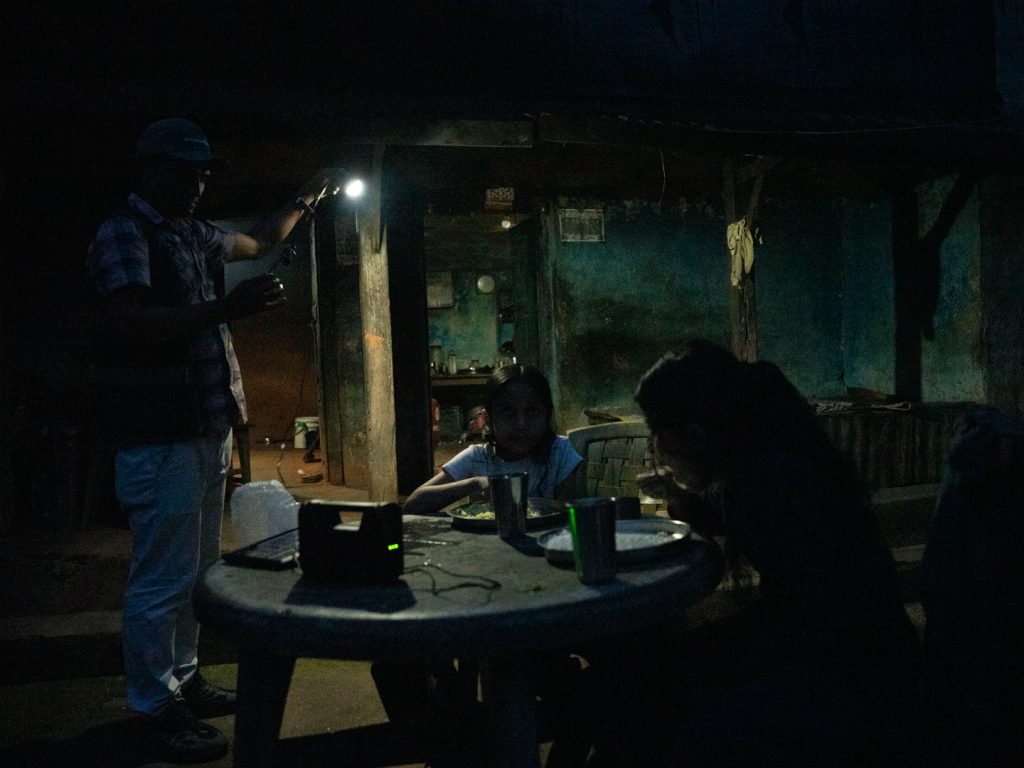
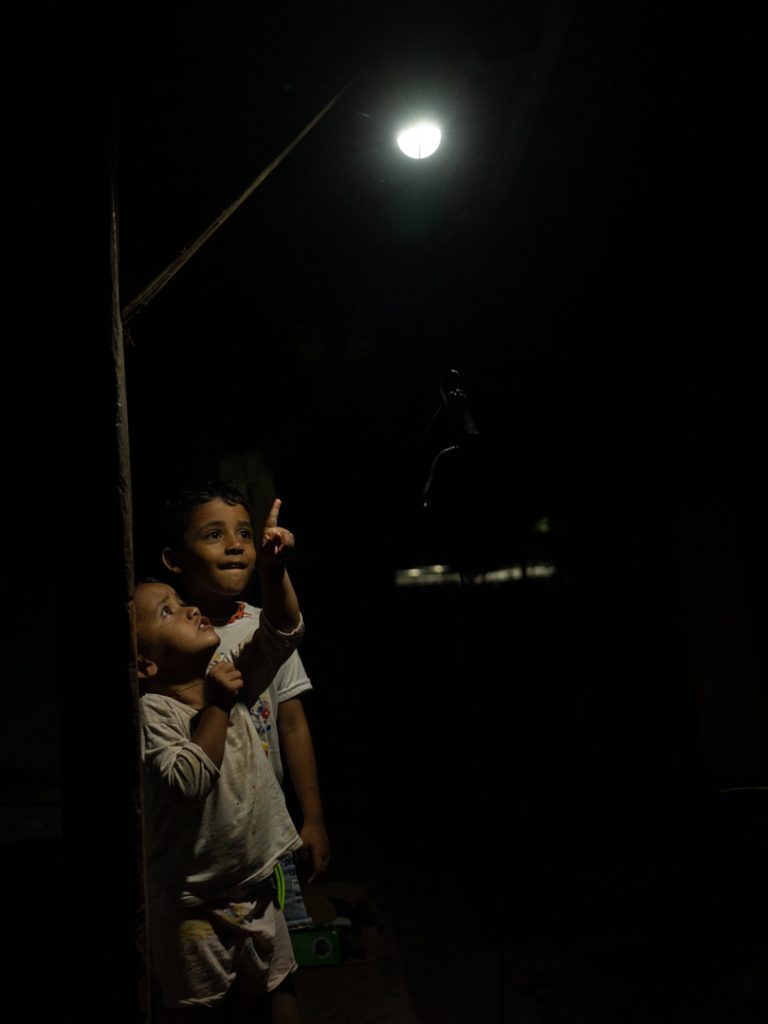
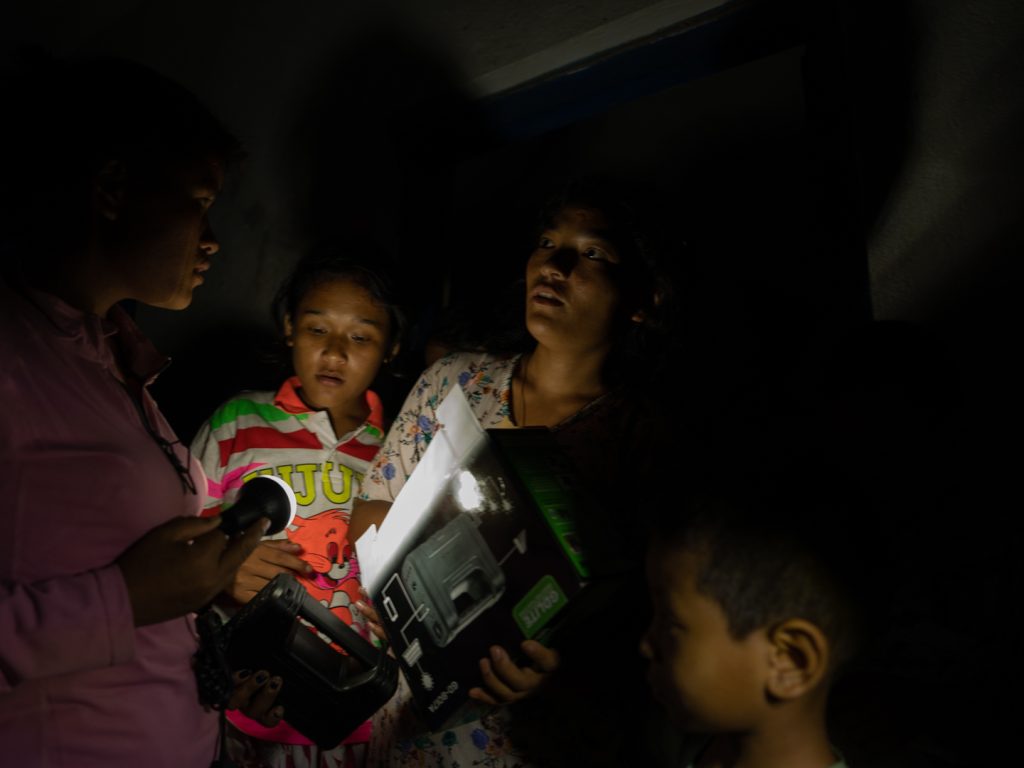
One of the relief items we provided was 50 solar light sets, in response to the loss of electricity in the affected communities.
The floods damaged 11-14 hydropower projects, taking an estimated 431 MW of generating capacity offline, roughly 10-12% of Nepal’s total power generation capacity. In addition, 15 hydropower projects under construction, with a combined capacity of around 470 MW, are also severely affected, with some infrastructure buried under mud or swept away entirely.
With electricity services disrupted, access to basic lighting and mobile phone charging is difficult for many families. The solar sets will provide lighting at night while power infrastructure is being repaired and allow people to charge their phones, helping them stay connected with relatives and access important information and services.
The situation continues
The immediate relief response is underway, but the recovery will take considerably longer.
Search and rescue teams continue to work in Rasuwa and other affected districts, while authorities and local communities face the task of restoring roads, bridges, electricity, communications and other essential infrastructure. The destruction of transport routes has also made it more difficult to reach some communities and deliver assistance.
For communities such as Betrawati, relief supplies address immediate needs, but restoring access and basic services will be essential for the longer recovery process.
We plan to return to the area soon, to reach communities that remain isolated following the destruction of the bridge connecting them with the main towns and cities. We will take further relief materials to these communities and coordinate with local people to understand where support is most needed.
We also intend to return at a later stage, once the immediate rescue response and media attention have subsided, when communities begin the longer process of rebuilding and recovery. We hope to continue supporting where we can during this phase.
How you can support
If you would like to support people affected by the flash floods in Nepal, you can contribute directly to the Prime Minister’s official Disaster Relief Fund via this link.
Or, if you would prefer to provide emergency relief materials directly to affected communities, we can also help coordinate the process and connect your support with local needs on the ground.
Please feel free to get in touch with us if you would like to know more or need help with the process.