

Day 2 of camp in Ale Gaun was our first full day of work. All together 210 patients were admitted and 379 consultations were delivered as patients got the chance to receive thorough examinations from multiple of the camp’s doctors, optometrists, midwives, and dentists.
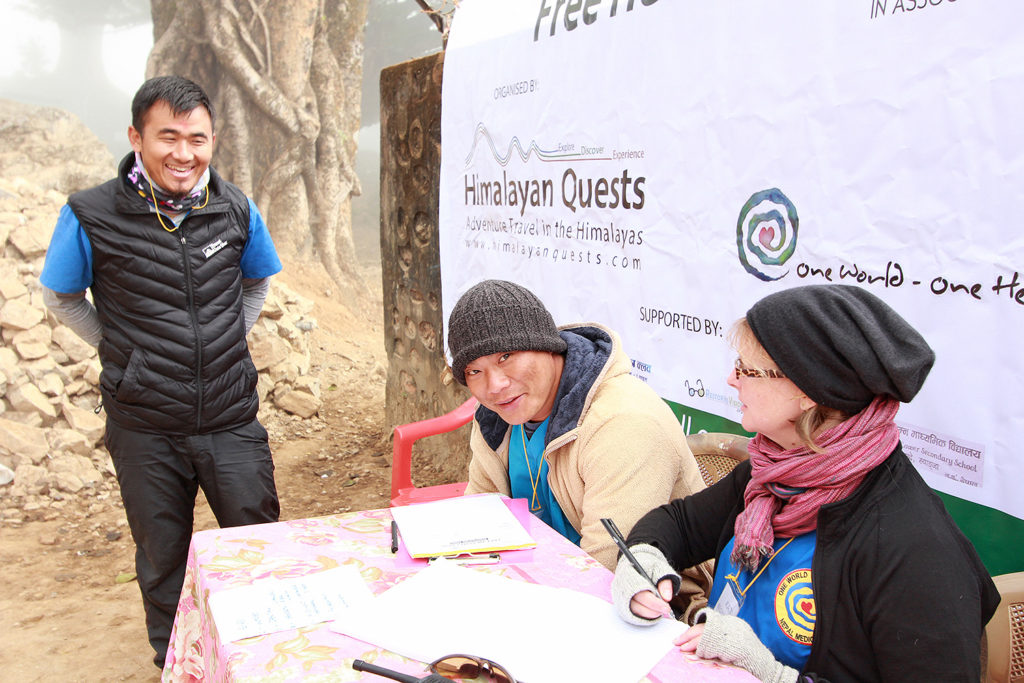
However, as more patients filed into camp, the doctors in room 4 and 5 again noticed high levels of secondary hypertension, mostly in men. The suspected culprit is consumption of raksi, a distilled alcoholic drink most often made from fermented millet but that can also be made using fruits, corn, rice, wheat, or barley. In the winter, when it is cold, some people here start drinking early because it makes them warm and they believe it gives them strength. Additionally, we have considered if the trauma from the 2015 earthquake has led to higher levels of drinking as villagers look for ways to cope with the stress in a place where access to mental health counseling and support is limited to nonexistent. This drinking habit, along with behavioral issues, appears to be having a pronounced effect on villagers’ health.
This report, though over ten years old, from the World Health Organization’s 2004 Global Status Report on Alcohol gives a Nepal specific overview of raksi consumption in Nepal. Hopefully, more research concerning high alcohol use in rural regions will be carried out as we at camp think about how to address this health risk and provide alcohol specific education to younger community members.
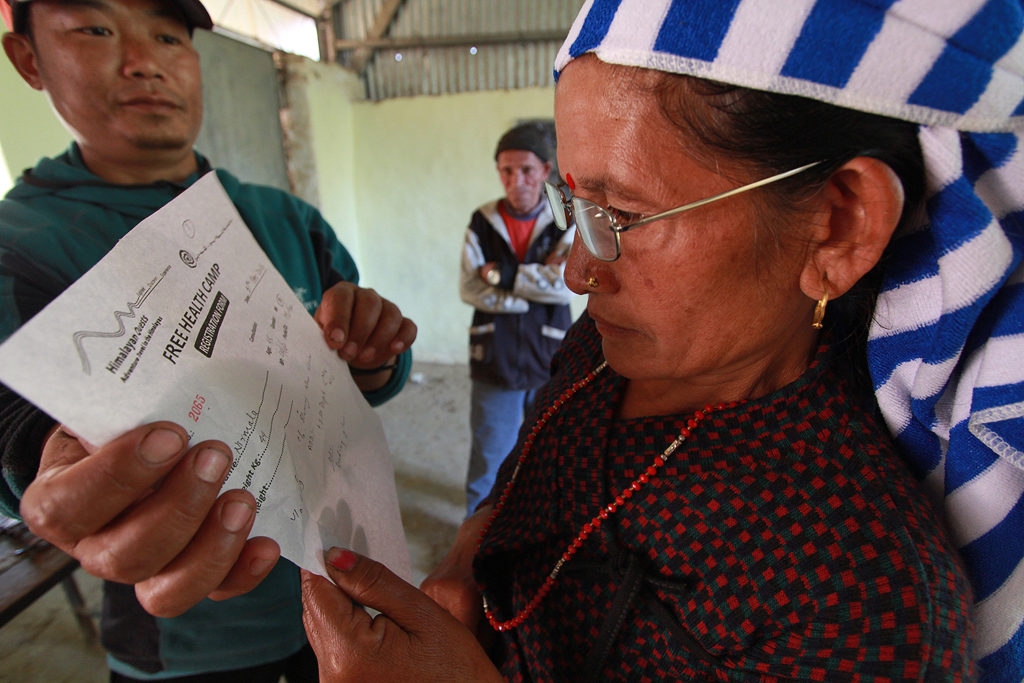
The doctors also noted higher numbers, around 10, of diabetic patients then in years past. Though this number is far lower than would be expected in the United States, we are beginning to wonder how change in diet and lifestyle might affect these communities in years to come.
In another part of camp, valuable education was being carried out as the women’s health workers held their second class with the grade 5, 6 and 7 girls. The class also included a group of women who work as community health workers for the surrounding area. The women stayed after the girls finished their lesson to learn more about complications from pregnancy and the significance of the location of the placenta in the womb. Another group of grade 10 and 11 girls will be travel ing from a neighboring village school for another class tomorrow.
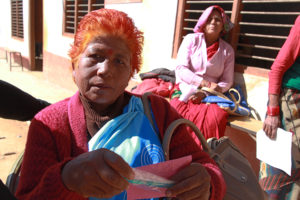
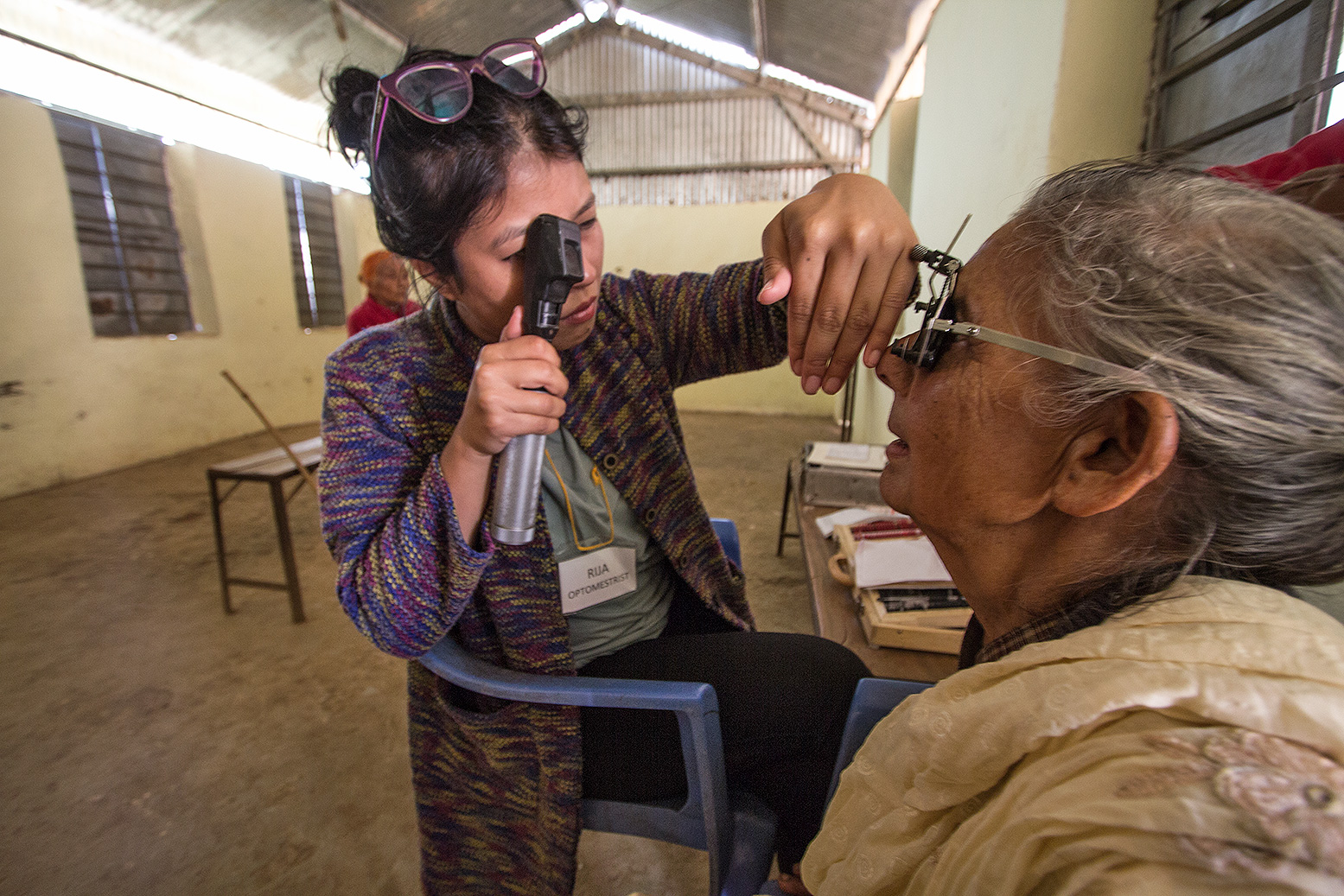
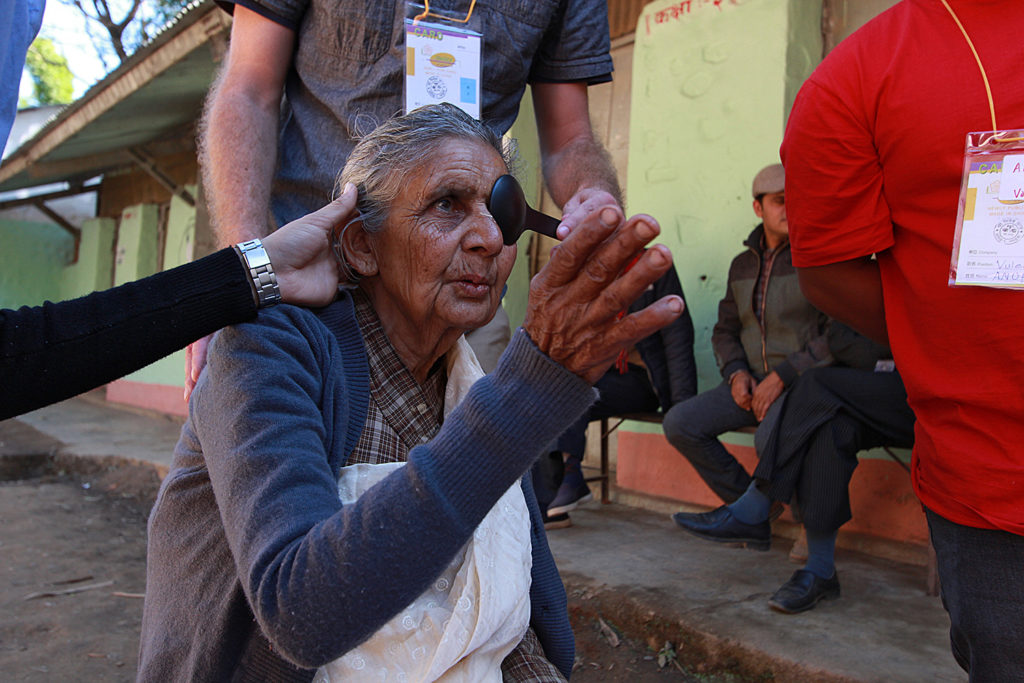
Over in room one and two, the optometrists Rija and Jyoti were busy seeing the many patients who come for eye examinations. All together, six cataracts were identified and six prescription glasses ordered. Each year we return, we continue to see a need for the vision restoring surgery offered after the completion of the camp.
Tomorrow will be our final day in Ale Gaun before we pack up and head further into the mountains to the village of Sirkot.
One Comment
Glad things are going well. Miss you lots. Bob and Sally