

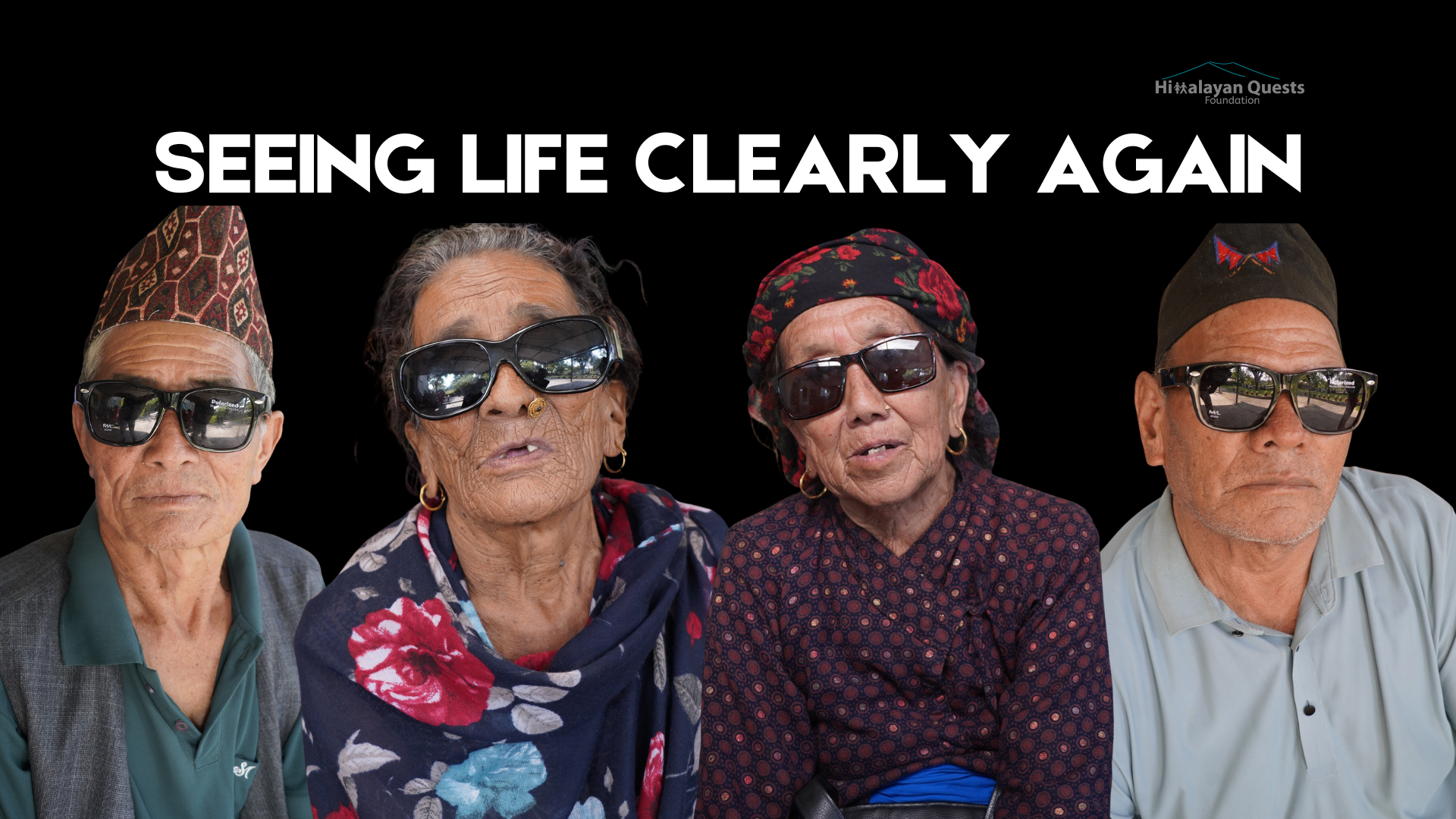
For many people living in rural Nepal, losing vision is often accepted as an unavoidable part of ageing. Yet cataracts remain one of the leading causes of preventable blindness, and a relatively simple surgical procedure can dramatically improve quality of life.
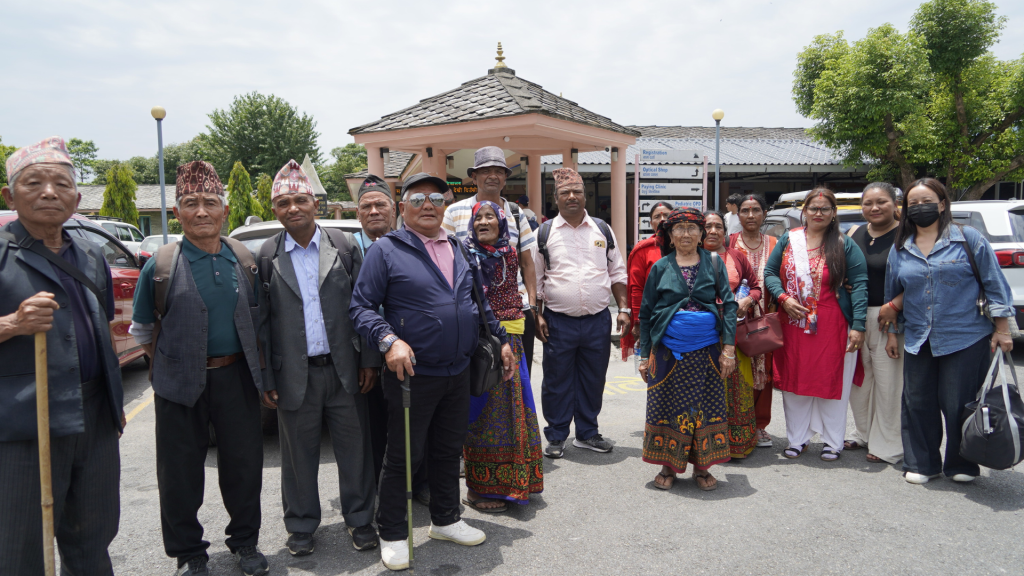
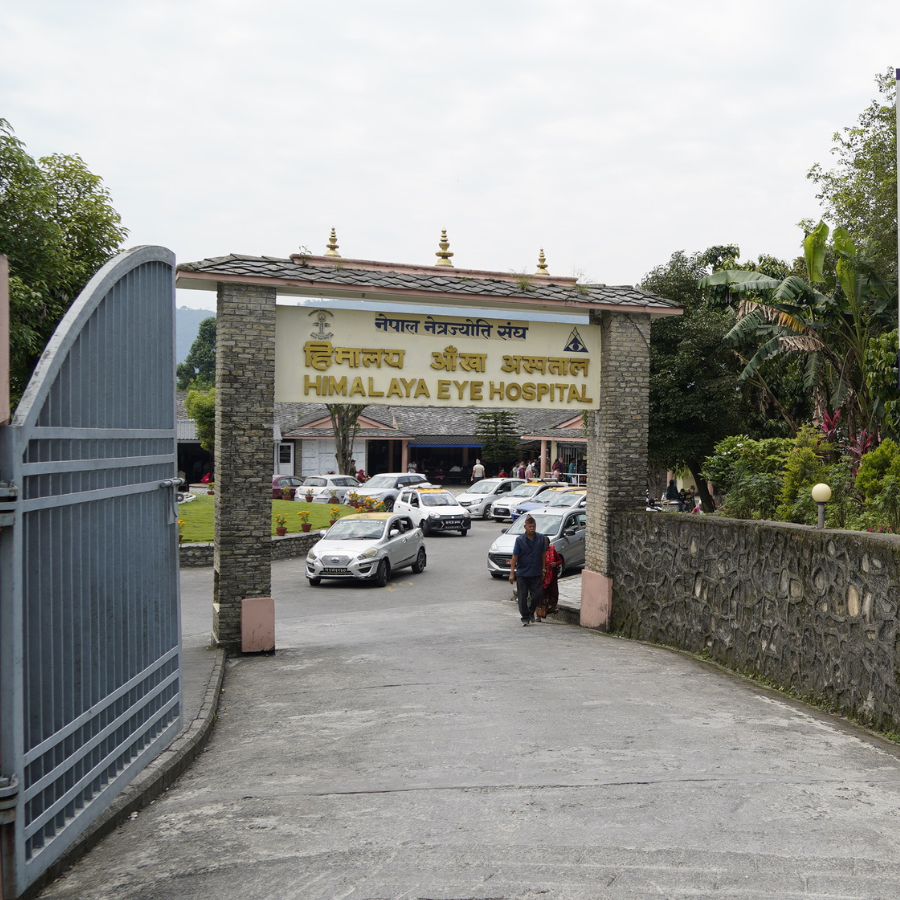
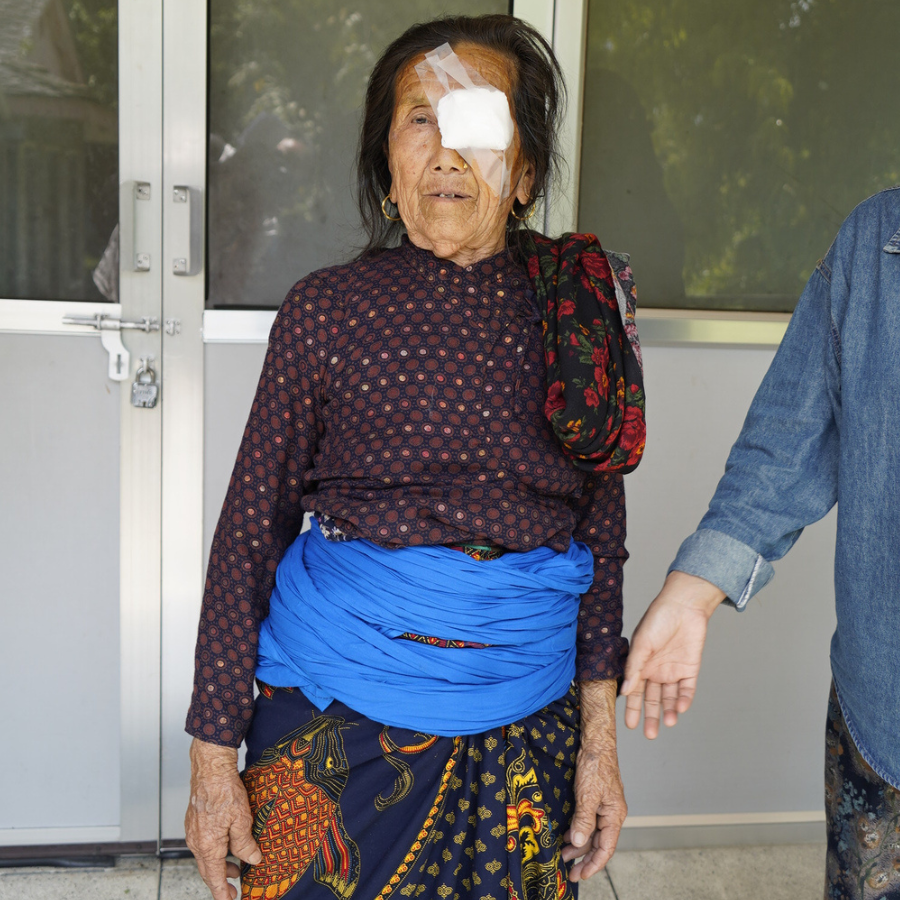
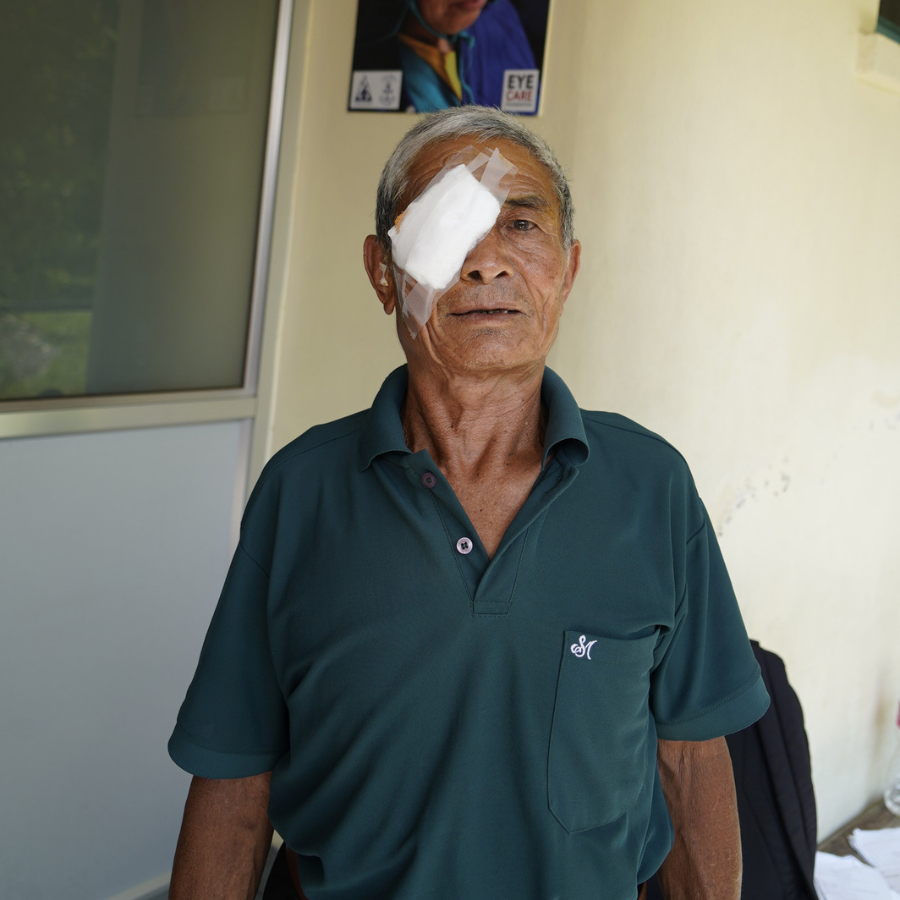
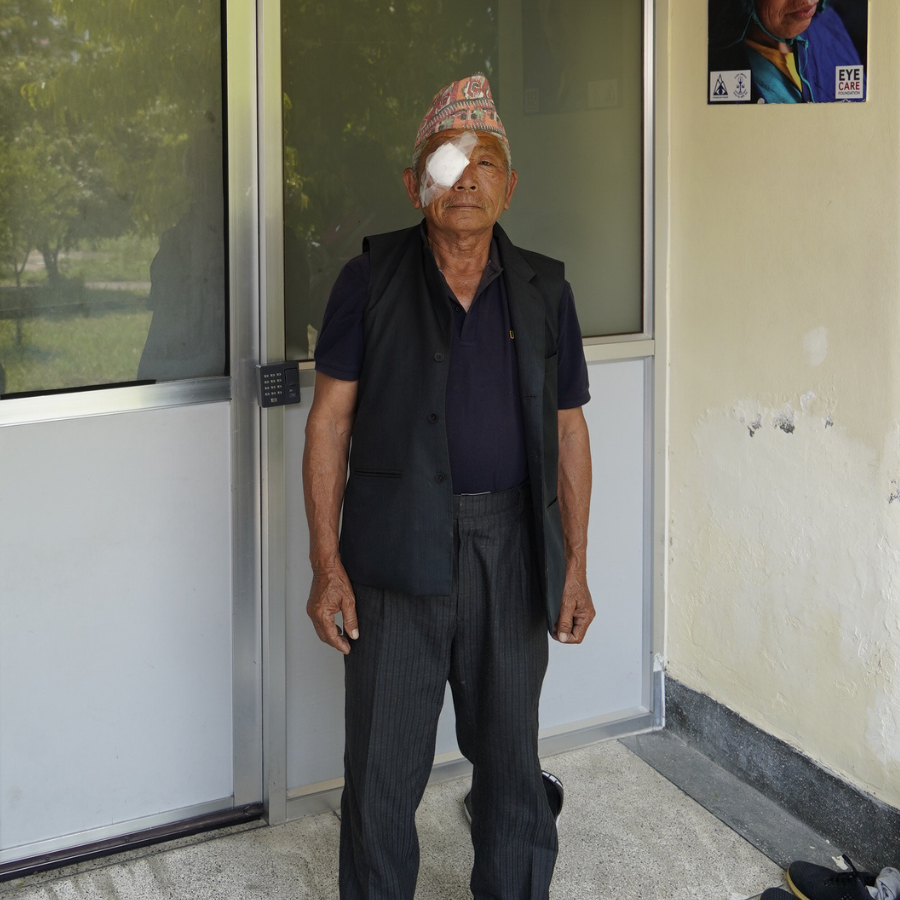
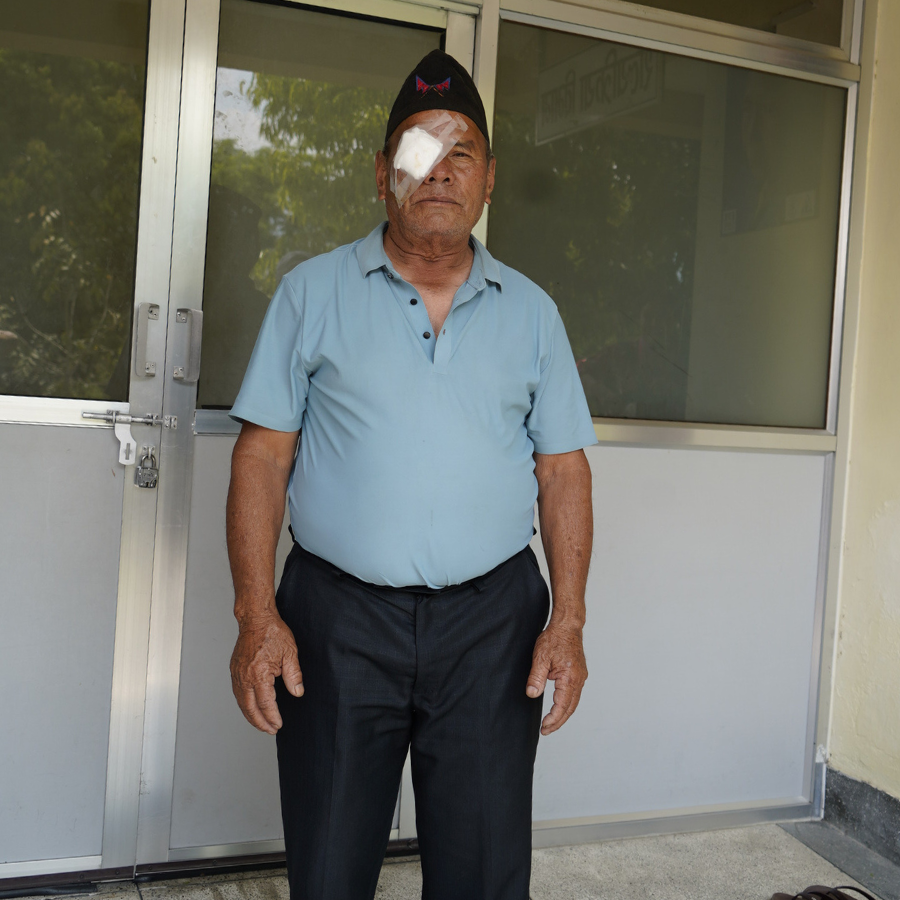
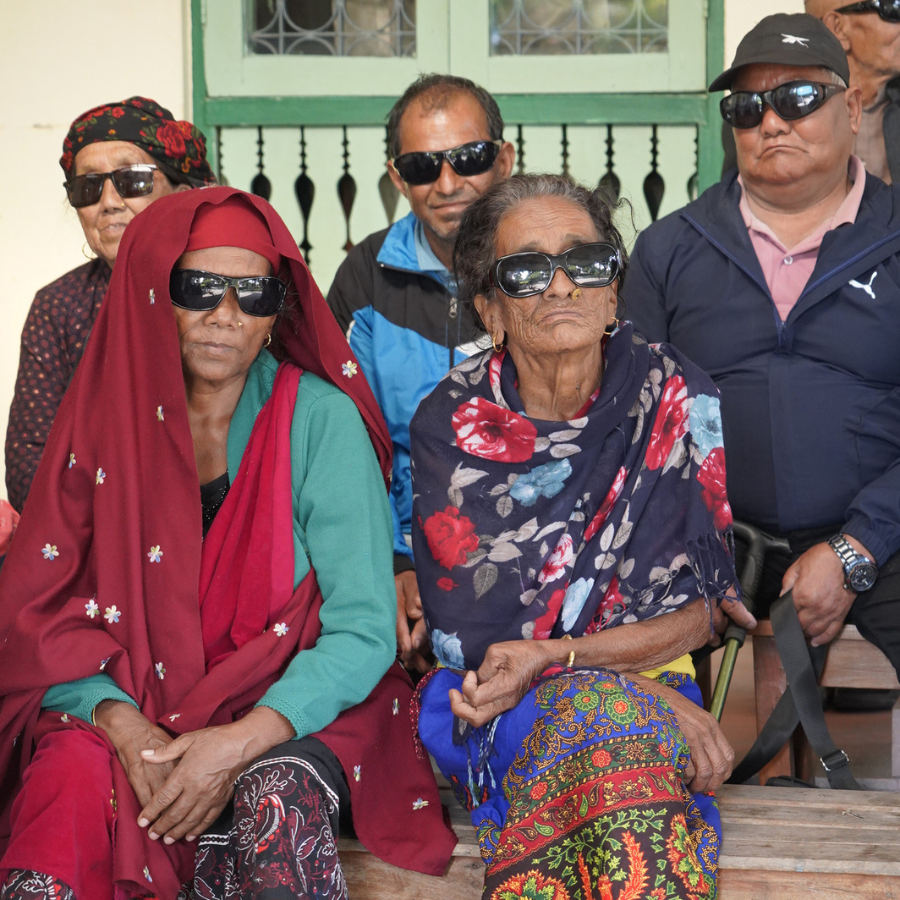
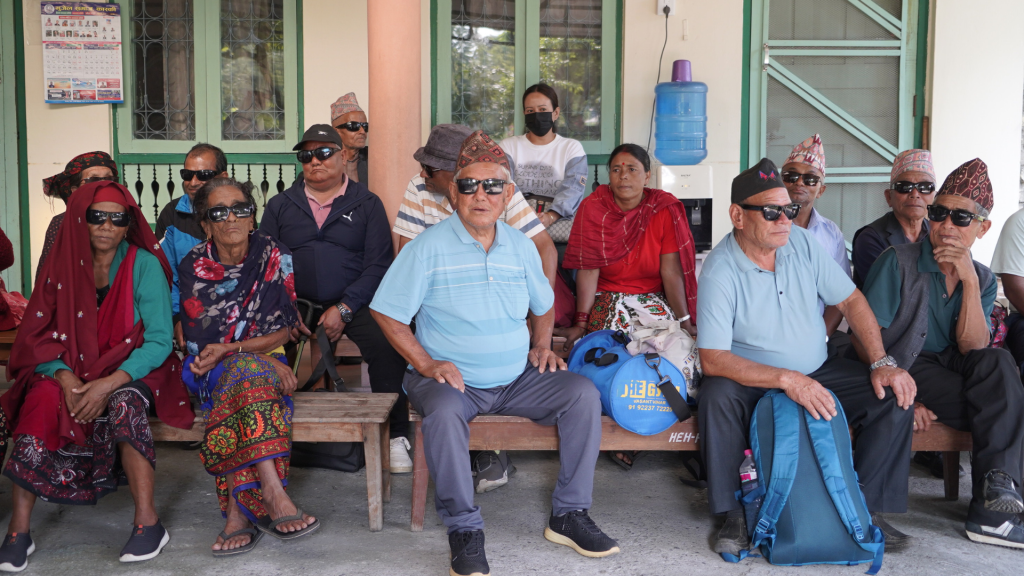
In June 2026, Himalayan Quests Foundation (HQF) supported nine cataract patients from Sirkot Village in Syangja District to receive sight-restoring surgery at Himalayan Eye Hospital in Pokhara.
From Community Eye Camp to Surgical Treatment
The journey began on 14 March 2026, when HQF organised a one-day eye health camp in Sirkot, Bhirkot Municipality. 432 people attended the camp and received eye care services and other basic health check-ups.
During the screenings, 12 patients were identified as requiring cataract surgery and were referred for further treatment. The initial plan was to organise surgeries closer to the community in Waling. However, due to scheduling constraints, the programme could not be carried out as planned.
To ensure patients still received the treatment they needed, HQF decided to coordinate and support travel, food, accommodation and all related expenses for surgery at Himalayan Eye Hospital in Pokhara.


The Journey to Pokhara
On the morning of 1 June, patients were collected from different villages across the Sirkot area and transported to Pokhara.
For many, the trip represented more than a hospital visit. It was an opportunity to regain independence, reconnect with daily activities and improve their quality of life.
Of the 12 patients originally referred, nine chose to proceed with surgery. Three declined due to personal circumstances and age-related concerns.
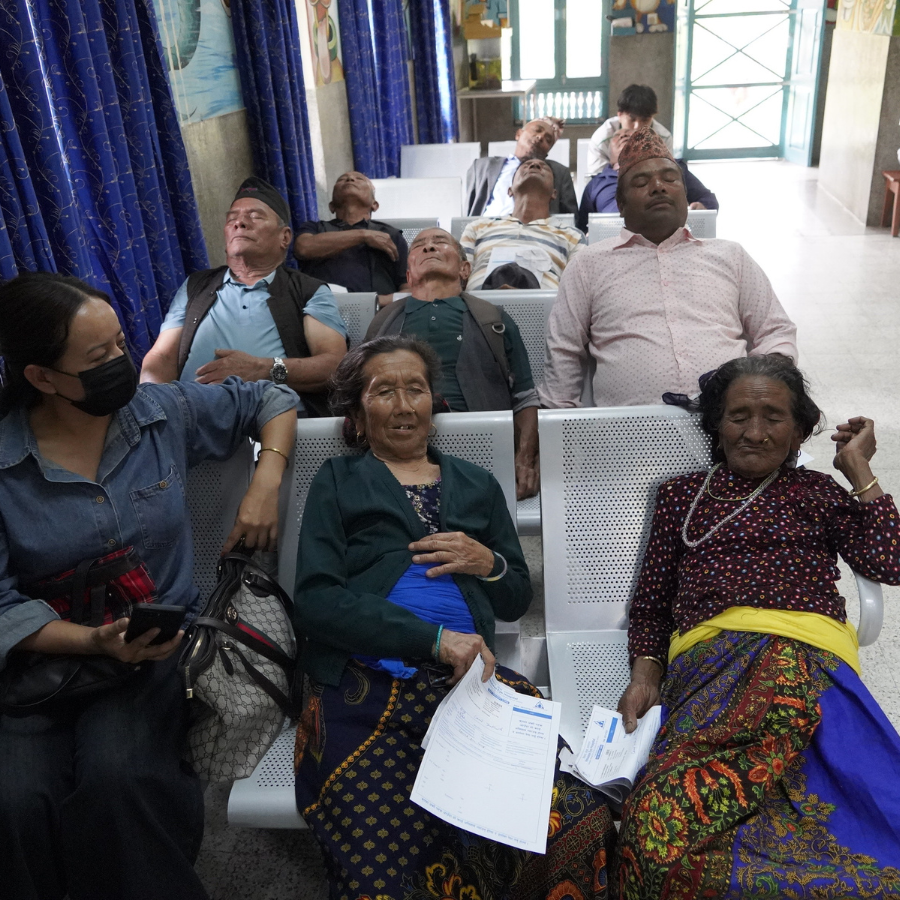
Despite heavy patient numbers at the hospital following several consecutive public holidays, the group completed all necessary pre-operative assessments, including laboratory tests, vital sign checks and specialist examinations.
Surgery Day
On 2nd June, patients underwent final evaluations before being admitted for surgery.
As is often the case, some patients felt anxious before entering the operating theatre. Conversations with patients who had already completed the procedure helped ease concerns and build confidence.
By midday, all nine cataract surgeries had been completed successfully.
Following surgery, patients rested in the hospital ward while medical staff monitored their recovery. Although bandage removal had initially been planned for the following day, the senior ophthalmologist removed the dressings later that evening, allowing patients to experience the first results sooner than expected.
Seeing Clearly Again
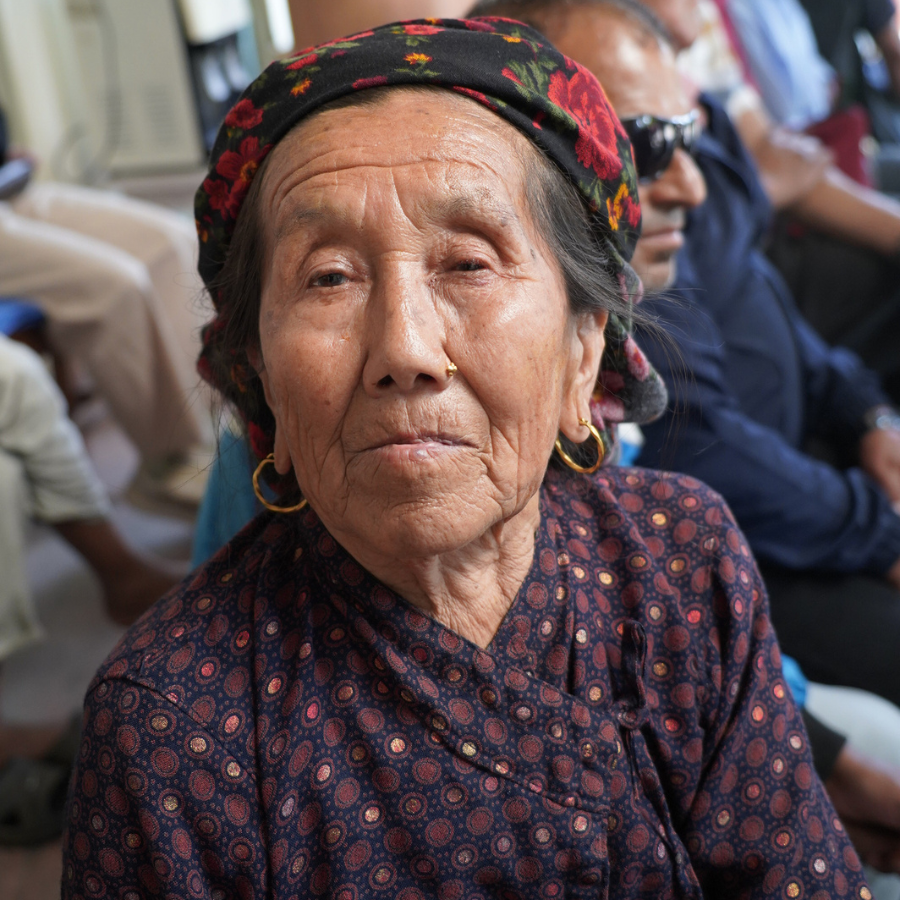
The following morning brought emotional and rewarding moments for both patients and healthcare staff.
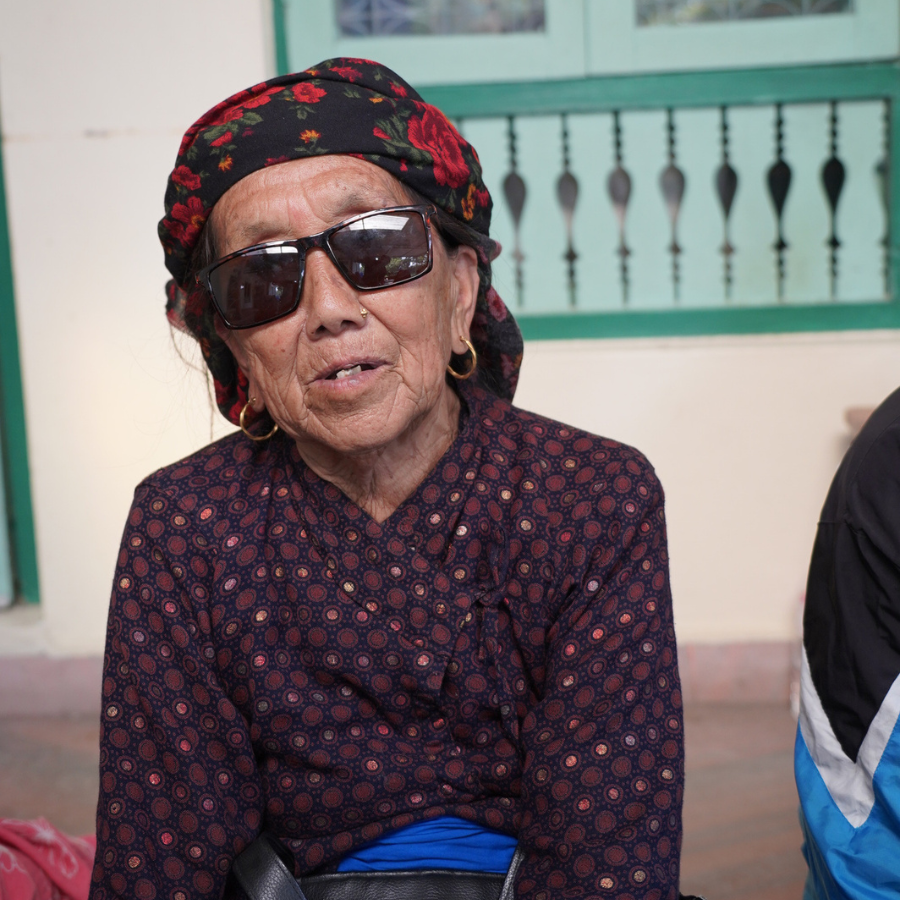
Patients who had struggled with deteriorating vision were able to see clearly again. While some experienced temporary redness or mild blurriness, the medical team provided comprehensive follow-up examinations and patient education sessions covering eye care, recovery and long-term eye health.
The opportunity to ask questions directly to the doctors helped patients better understand their condition and recovery process.
After completing their final check-ups, the group returned home to Syangja, arriving safely before nightfall.
Voices from the Patients
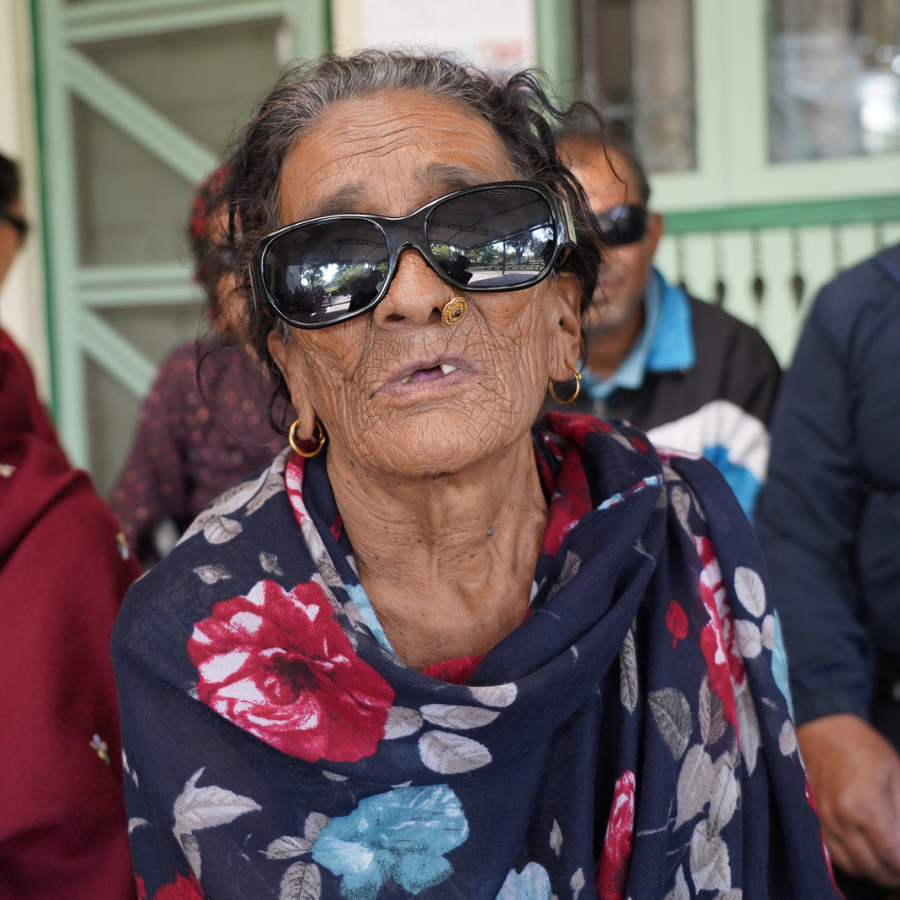
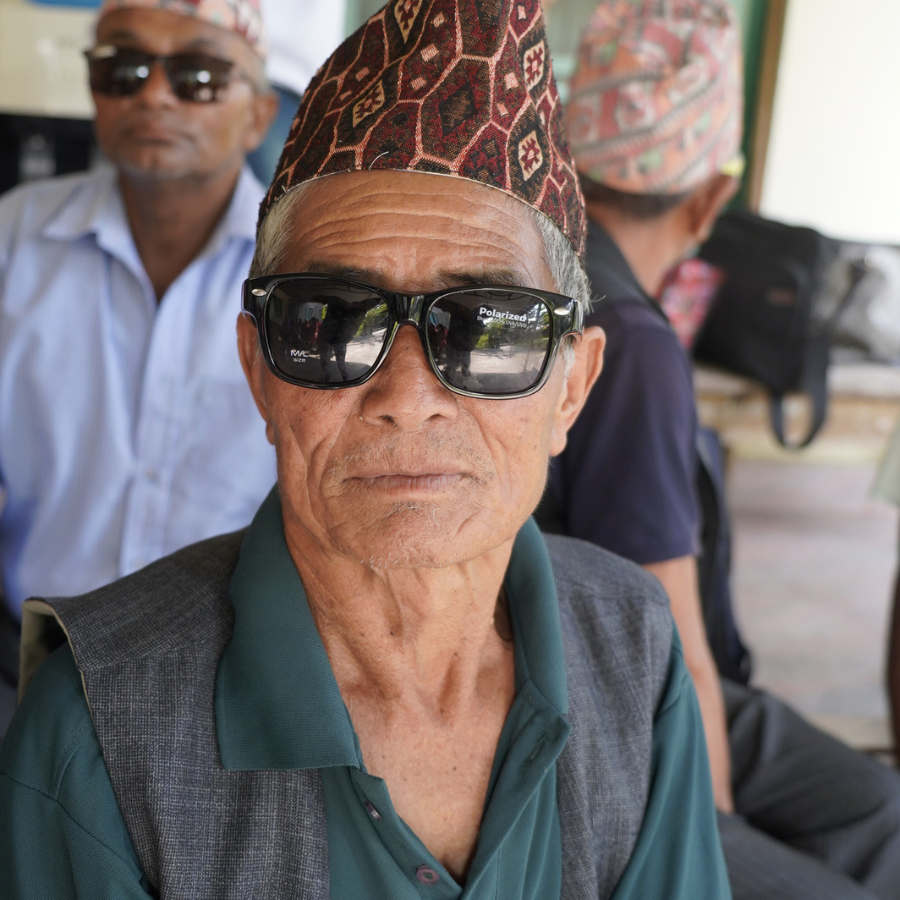
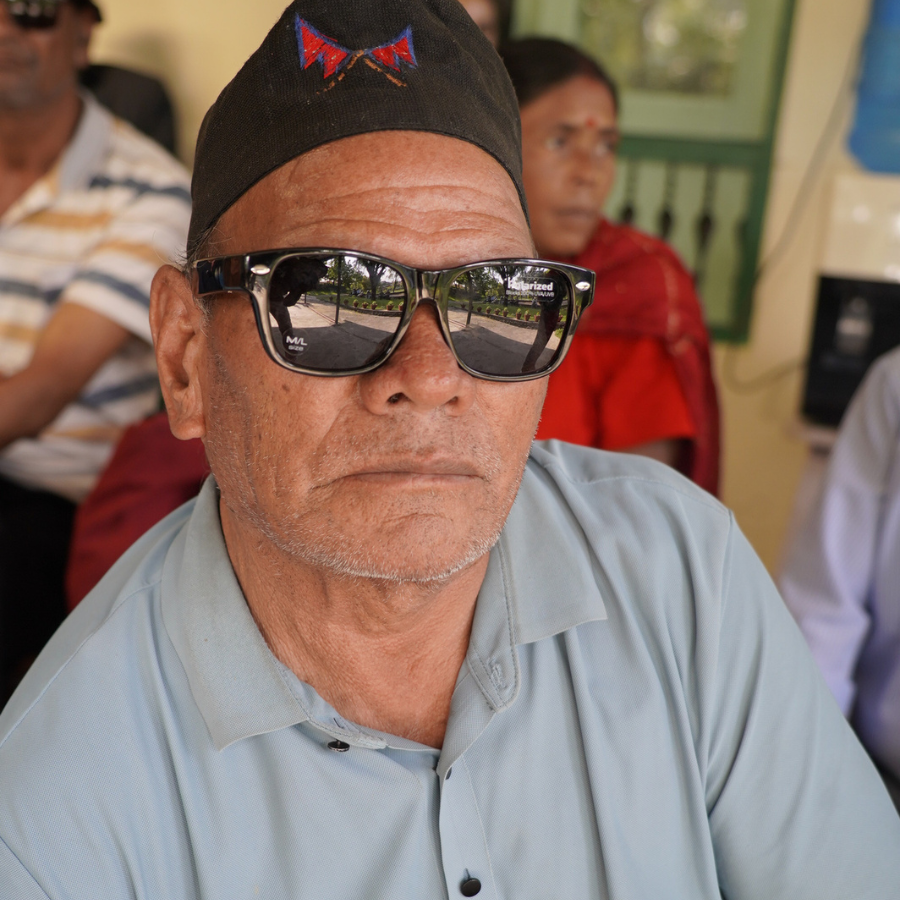
“I had surgery on my left eye about ten years ago with support from HQF, and it helped me greatly. When I lost vision in my right eye, HQF once again supported me. Many thanks to HQF.”
~ Run Bahadur Nepali, Charang
“I did not know much about eye treatment. My granddaughter took me to the eye camp, and today in Pokhara I can recognise everything around me. Thank you to everyone.”
~ Suma Kumari Basel, Danse
The Importance of Accessible Eye Care
Cataracts are highly treatable, yet access to surgery remains a challenge for many rural communities due to distance, cost and limited healthcare access.
This programme shows how community-based screening, local partnerships and patient support can help bridge that gap. By identifying patients through outreach camps and facilitating access to specialist treatment, it is possible to restore sight and improve lives in a lasting way.
Himalayan Quests Foundation extends its gratitude to the team at Himalayan Eye Hospital Pokhara, local community representatives and all those who helped make this programme possible.