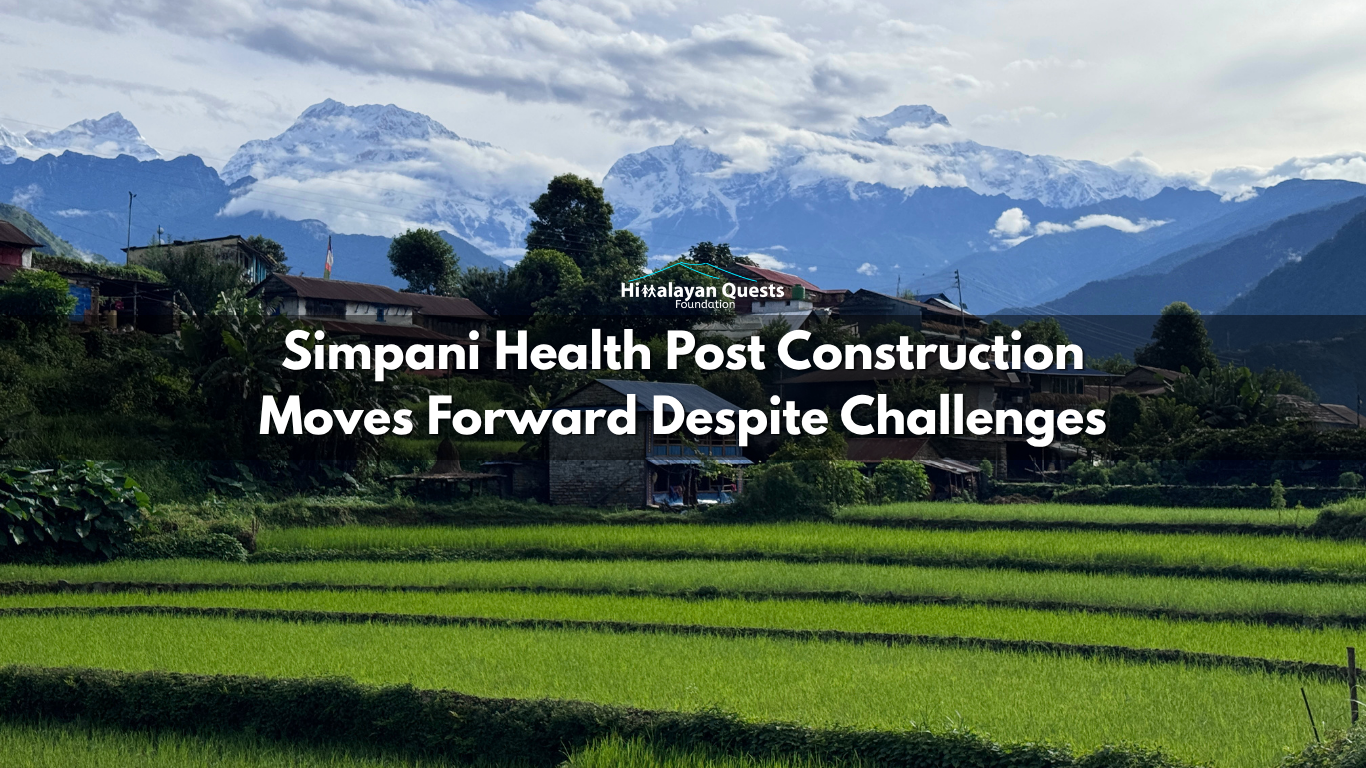

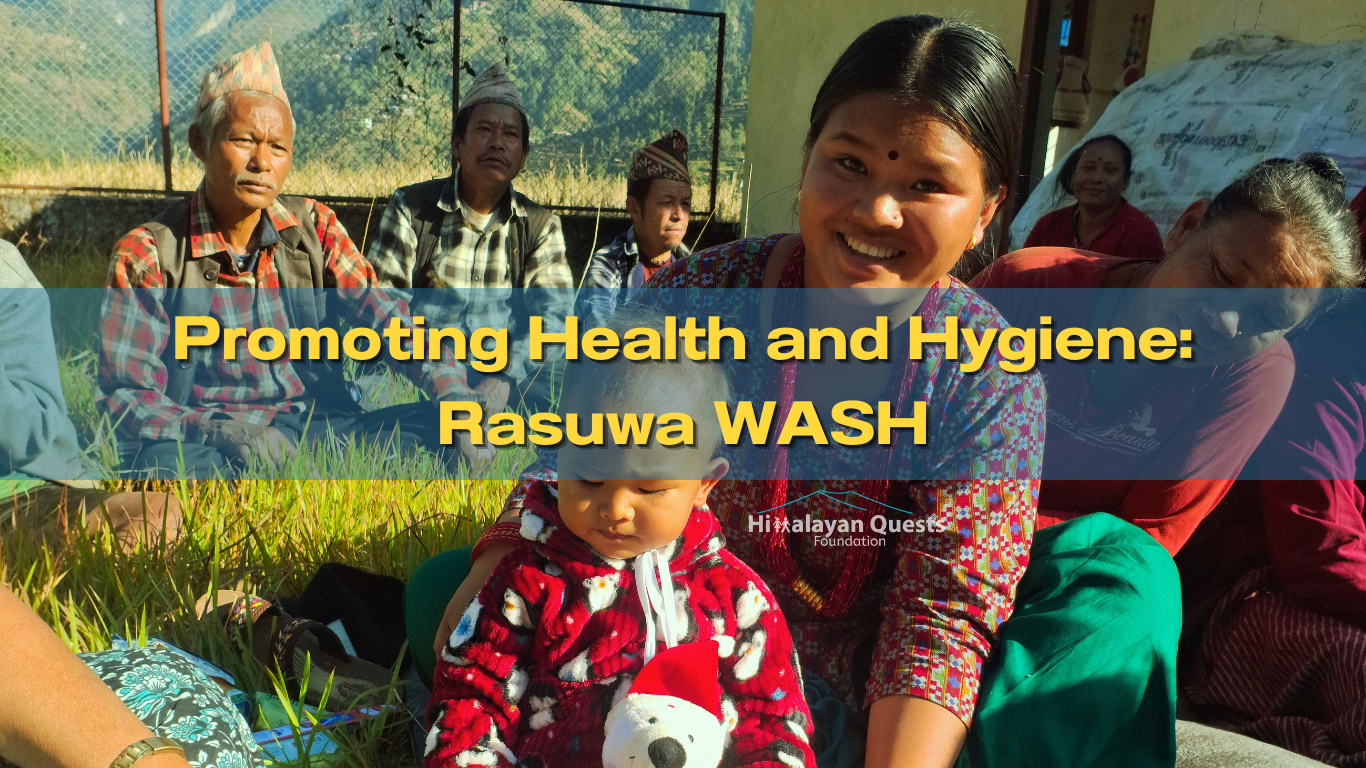
On 13 December 2025, the Himalayan Quests Foundation team conducted a community WASH program as part of the AMICA WASH Project in Ekpakhe Village, Naukunda Rural Municipality, Rasuwa. The programme aimed to improve awareness of community health and WASH (Water, Sanitation, and Hygiene) practices among children and adults in this remote Himalayan village.
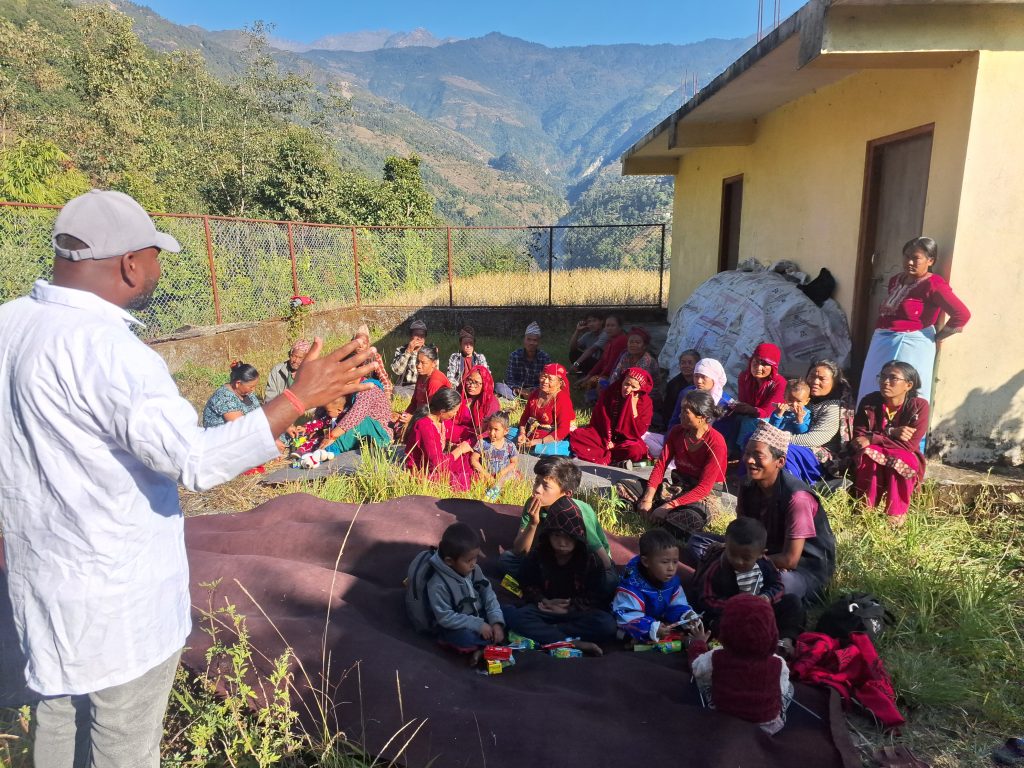
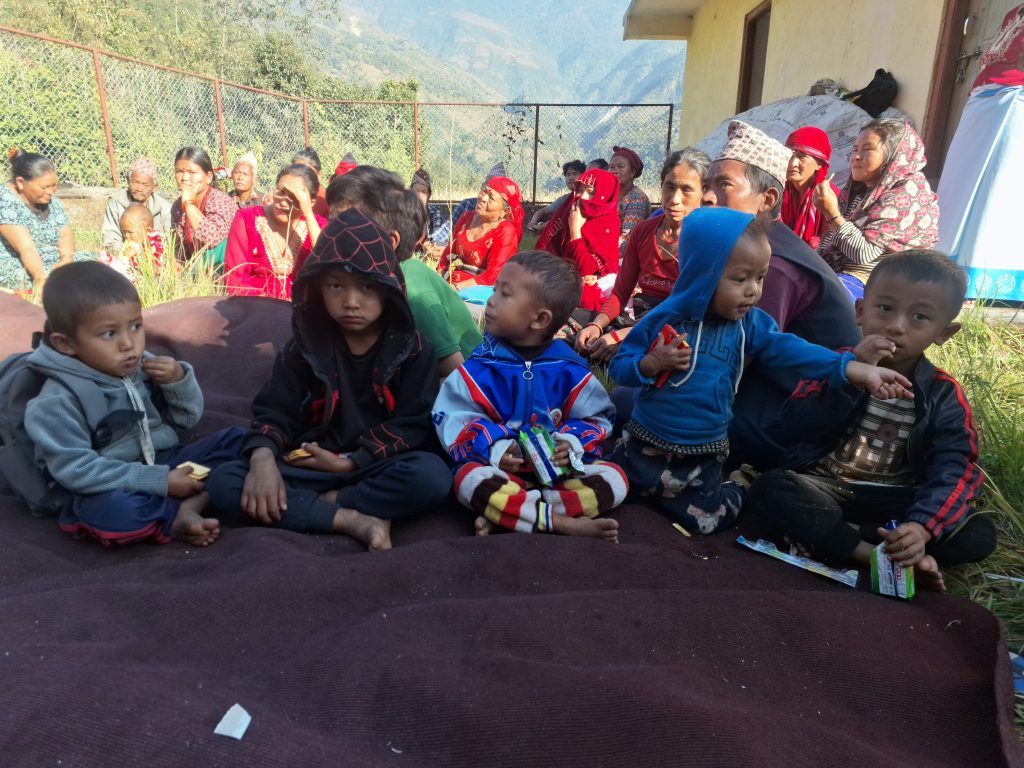
The team, comprising Hari Bhusal, Dr. Bindeshower Shah, and Prabesi Tamang, a Female Community Health Volunteer, departed Kathmandu early in the morning and reached the village by 11:00 AM. The orientation officially began at 12:30 PM, welcoming over 40 participants, including children. The local community actively supported the event by preparing the venue and helping manage the surroundings.
The programme featured two main interactive sessions. The first session focused on community health, covering topics such as women’s health, reproductive health, child health, and common local health issues including respiratory diseases, dysentery, and gastritis. Participants were also briefed on health referral systems and available free services at district hospitals; a critical insight for many who had previously spent money unnecessarily at private facilities.
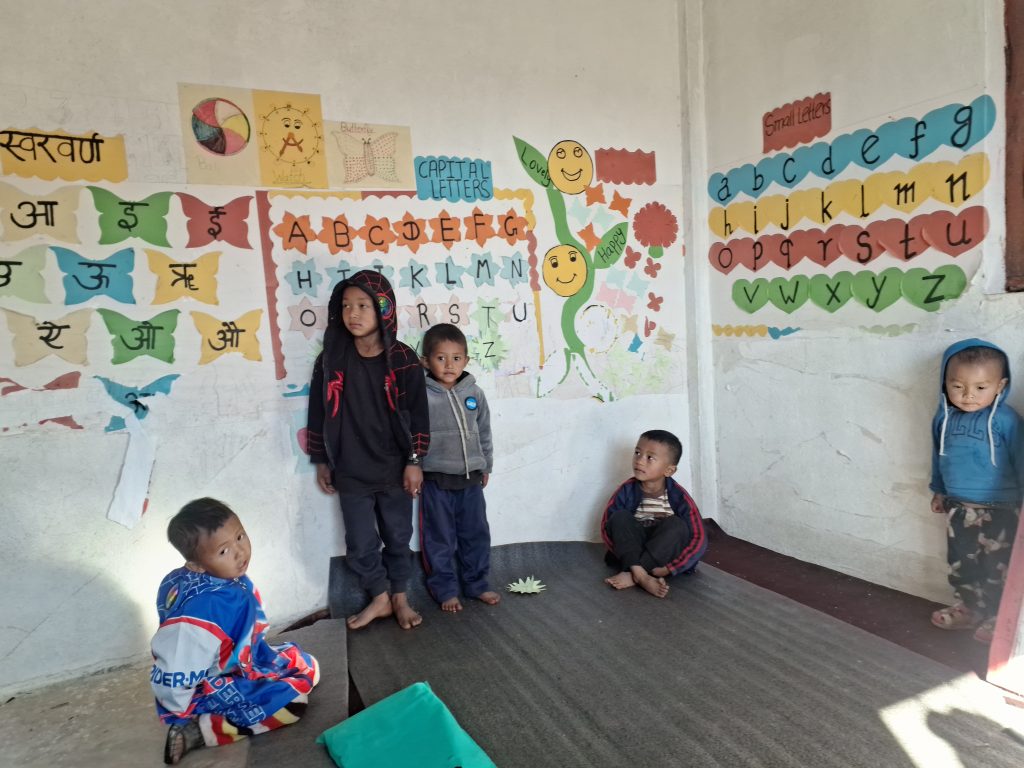
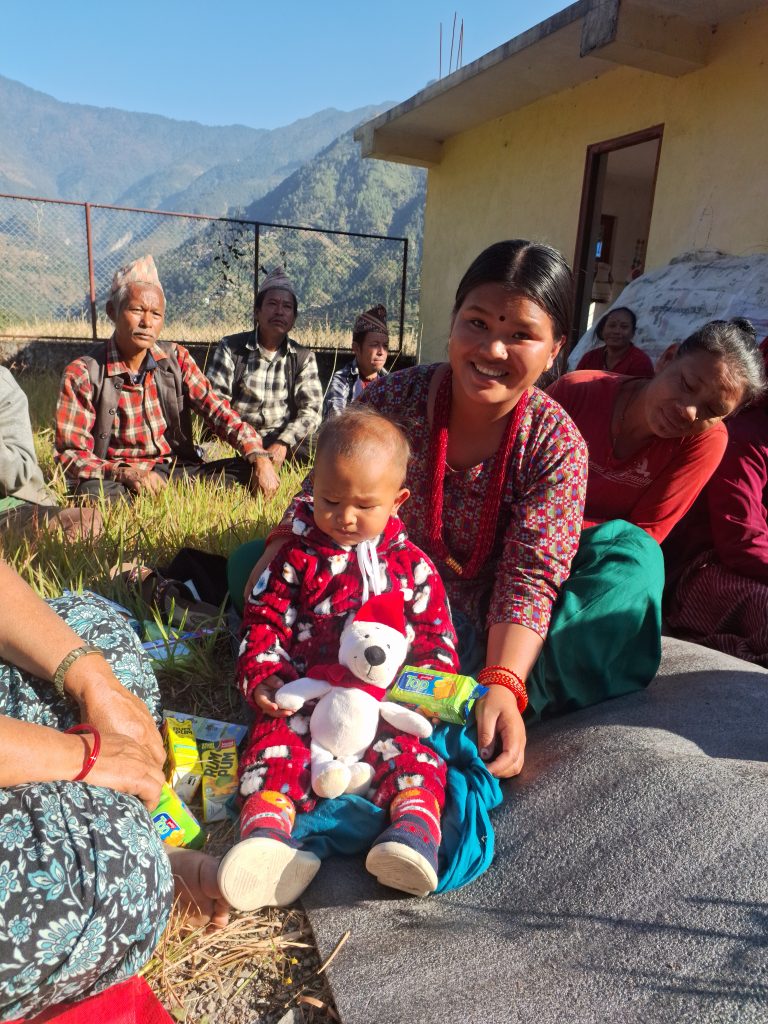
The second session focused on WASH practices, where participants learned the importance of hygiene, handwashing techniques, and proper tooth brushing. Children actively participated in demonstrations, and community members expressed interest in adopting better hygiene habits at home.
The orientation successfully raised awareness on essential health and hygiene practices, highlighting gaps in knowledge within the community. Participants engaged enthusiastically, sharing experiences and asking questions, demonstrating the value of sustained awareness programmes in remote villages like Ekpakhe.
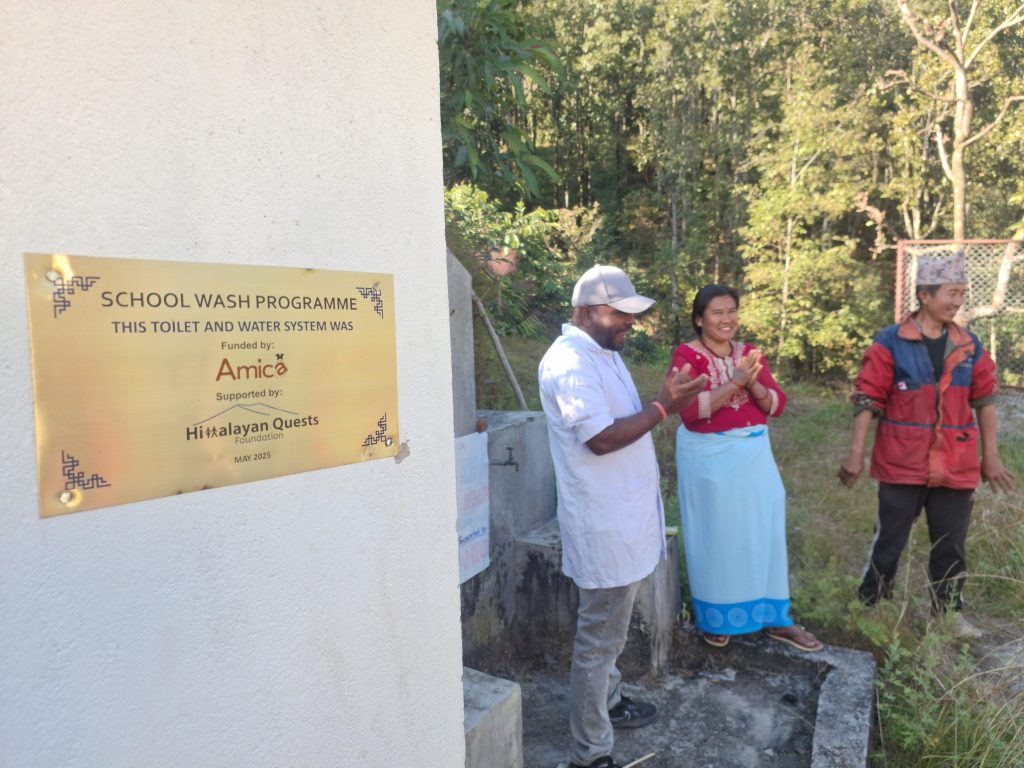
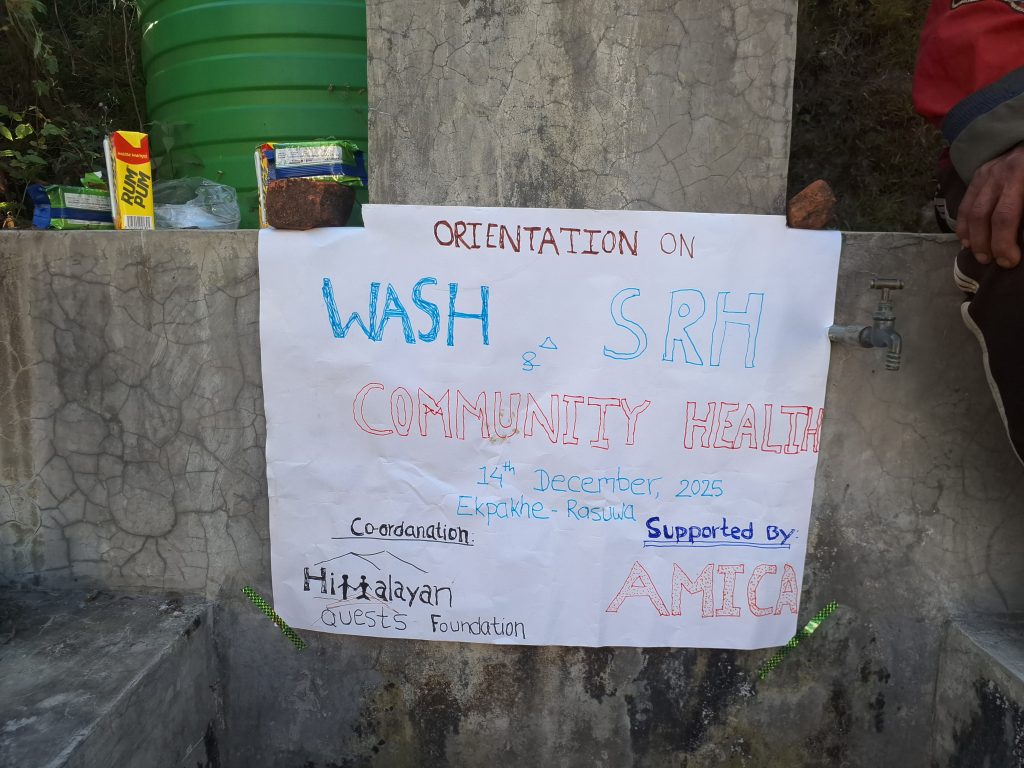
Himalayan Quests Foundation remains committed to supporting rural communities through health and WASH initiatives, empowering residents with knowledge and practices that improve everyday wellbeing. Continued efforts in remote areas are crucial to building healthier, more informed communities across Nepal.